The condition of a dog’s coat can be a clear indicator of their overall health. Nutrition plays a vital role in maintaining a healthy, shiny coat, as the right balance of nutrients can have a direct impact on the skin and fur.
Dogs require specific nutrients to promote a healthy coat. These nutrients support not only the appearance of the fur but also the underlying skin health. Understanding the different components that contribute to a dog’s coat well-being can provide insights into how dietary choices directly affect their appearance and health.
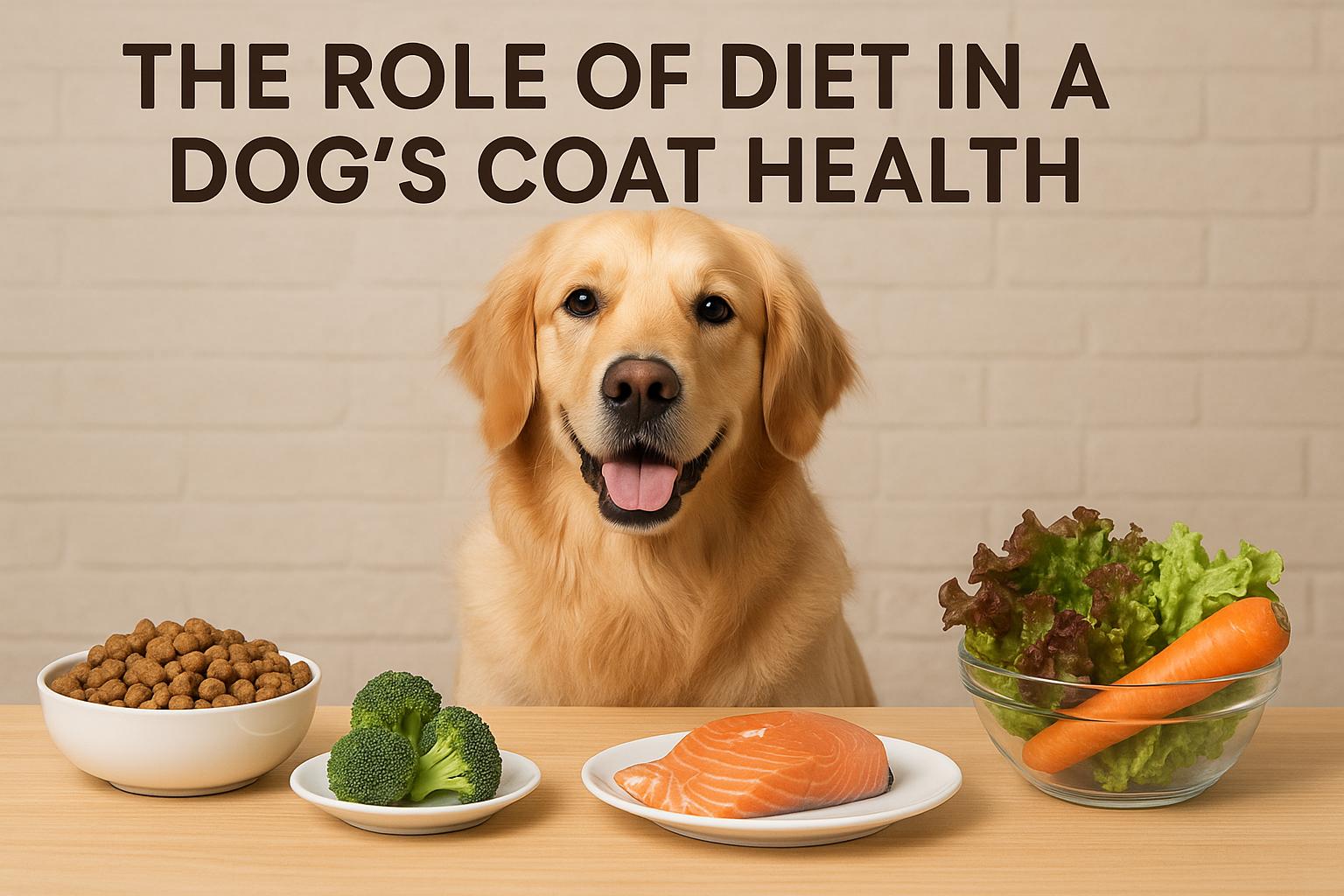
Protein is a crucial component in a dog’s diet. It aids in the building and repair of tissues, and a deficiency can lead to brittle, dull fur. High-quality protein sources, such as chicken, fish, and beef, should be included in a dog’s diet to ensure optimal coat health. Proteins are made up of amino acids, which are the building blocks of tissues, including fur. Dogs, being predominantly carnivorous, have a higher protein requirement, which makes it imperative to include adequate sources of protein in their diet. This not only enhances coat sheen but also strengthens the immune system and physical structure.
Omega-3 and Omega-6 fatty acids play a significant role in skin and coat health. A diet rich in these fatty acids can help reduce inflammation and increase shine. Foods like fish oil, flaxseed, and certain fish such as salmon are excellent sources of these vital nutrients. They contribute to the natural lubrication of the skin and reduce dryness and itching, which is a common precursor to dull fur and skin infections. Moreover, fatty acids improve cellular function and foster the development of a soft, lustrous coat.
Vitamins such as A, E, and B-complex, along with minerals like zinc, are essential for maintaining a healthy coat. They contribute to skin elasticity, moisture retention, and overall fur condition. Including a variety of fruits and vegetables in your dog’s diet can provide these beneficial nutrients. Vitamins A and E are particularly noted for supporting the skin barrier function and protecting against oxidative damage, respectively. Adequate levels of zinc are also key, as a deficiency can often lead to skin lesions and poor wound healing, affecting overall coat health.
When selecting dog food, consider the specific health needs of your dog. Some commercial dog foods are formulated to support coat health by including the necessary nutrients. It’s important to read labels and choose a formula that provides balanced nutrition. Evaluating the content of commercial foods to ensure they meet your dog’s dietary requirements is crucial. Opting for brands with a high reputation and those that meet well-established nutritional guidelines can make a significant difference in your dog’s health.
While supplements can be beneficial, they should be administered carefully. Over-supplementation can lead to imbalances and negatively affect your dog’s health. Always consult with a veterinarian before adding any supplements to a dog’s diet. Consulting with a veterinarian provides a tailored approach, ensuring that supplementation fills in dietary gaps without exceeding the recommended nutrient amounts, thus preventing the risk of toxicity or adverse effects.
A poor diet can lead to various coat and skin issues. Common problems include dull fur, excessive shedding, flaky skin, and even infection. Monitoring a dog’s coat can provide early signs of nutritional deficiencies, allowing for timely dietary adjustments. Dogs on unbalanced diets often exhibit signs that reflect their internal nutritional status. Therefore, being vigilant about changes in coat texture, thickness, and appearance gives insight into possible nutritional shortfalls that might require addressing.
The presence of dull, lifeless fur often signals a lack of essential nutrients such as proteins and fatty acids. Excessive shedding may denote a nutritional imbalance or a specific nutrient deficiency that requires targeted nutritional or dietary changes. Skin dryness and flakiness are usually associated with inadequate levels of fatty acids and specific vitamins. These signs serve as a prompt to evaluate and modify the dog’s diet to prevent the progression of these issues and promote a swift recovery to optimal health.
Regular consultation with a veterinarian is pivotal. Veterinarians can help tailor a diet plan suitable for your dog’s specific needs, considering factors such as age, breed, size, and individual health considerations. They can provide professional guidance on the ideal quantities and sources of essential nutrients that should be part of your dog’s daily intake for healthy coat maintenance.
Diet plays an indispensable role in the health of a dog’s coat. Ensuring that a dog’s diet includes adequate amounts of protein, fatty acids, and essential vitamins and minerals can prevent many common coat issues and promote overall well-being. For more information on dog nutrition, consider checking resources like American Kennel Club or WebMD Pets. A proactive approach not only enhances the coat but also fortifies overall health. By prioritizing a balanced diet and remaining observant of any changes in coat condition, dog owners can optimally support their pets’ health and well-being throughout their lives.