
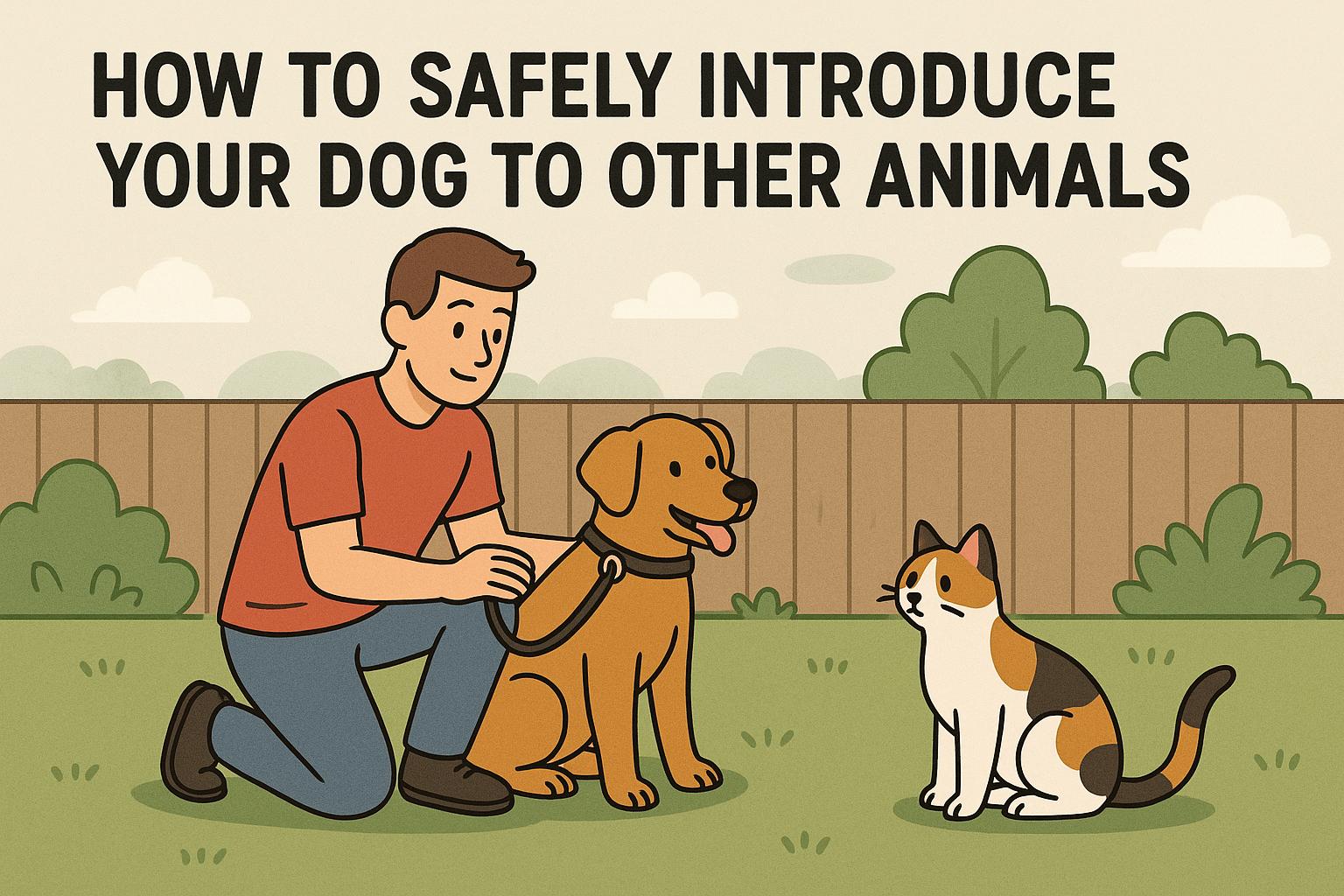
Understanding your dog’s temperament is a crucial aspect when considering introducing them to other animals. Just like humans, dogs possess individual personalities characterized by specific traits. Some dogs are naturally sociable and enjoy the company of other animals, while others might exhibit more cautious or territorial behavior. For a successful introduction, it’s important to observe how your dog behaves around other animals during walks or playtime. These observations can provide significant insight into their natural inclinations, helping you predict their potential reactions and interactions with new animals.
If there’s uncertainty about your dog’s potential reactions, consulting a dog behavior specialist is a prudent step. Professionals in this field bring a wealth of knowledge and experience, providing strategies and advice tailored specifically to your dog’s characteristics. By visiting a certified dog behaviorist’s website, you can find additional resources and support to better understand and manage your dog’s behavior. The insight gained from experts can prove invaluable in preparing for and facilitating a smooth introduction process.
The gradual introduction technique is a highly effective strategy to ensure safe and positive interactions between your dog and other animals. Start by having the animals observe each other from a safe distance. This allows them to become familiar with each other’s presence without a sense of threat or intimidation. Over a series of meetings, you can gradually decrease the distance between them, always closely monitoring for any signs of stress or aggression. Such an approach not only ensures safety but also builds a foundation of trust and comfort between the animals.
Conducting introductions in controlled environments is crucial for ensuring the safety and success of the interaction. A neutral location, such as a local park, serves as an excellent venue for introductions, effectively minimizing the chance of territorial disputes. It’s important to select a setting with minimal distractions, which allows both animals to focus on each other and their developing relationship. This controlled environment aids in creating a calm and stress-free atmosphere conducive to positive interactions.
At the outset of these introductions, employing leashes or temporary barriers can provide an additional level of control. Allowing the animals to sniff each other and observe from a safe distance enables natural communication without immediate physical contact. The use of leashes and barriers reduces potential risks and contributes to a safer environment, permitting the animals to engage in a gradual and structured manner.
A deep understanding of canine body language is essential for anticipating potential conflicts and facilitating smooth interactions. Pay close attention to signs of aggression, which may include raised fur, growling, or a stiff posture. Conversely, behaviors such as a wagging tail, relaxed body, and a playful stance often indicate that your dog is comfortable and ready to engage. By interpreting these signals correctly, you can make informed decisions about how to proceed with the introduction.
Positive reinforcement plays a crucial role in facilitating successful introductions. When your dog exhibits calm and positive behavior around other animals, it is important to reinforce these actions with treats and praise. This reinforcement helps establish a positive association with the presence of other animals, encouraging your dog to continue behaving well. Training resources, like those available from the American Kennel Club, offer valuable tips for incorporating positive reinforcement into your training regimen, potentially enhancing the effectiveness of the introduction process.
Even after initial introductions appear to go well, continued supervision of interactions remains important. Regular supervision allows you to promptly address any potential issues that might arise. As trust and familiarity develop over time, you may gradually allow more unsupervised interaction within controlled circumstances. This cautious approach ensures that all interactions are positive, promoting the development of healthy relationships between your dog and other animals.
Every animal is unique, and introductions require special consideration depending on the type of animal involved. The process of introducing your dog to a cat will naturally differ from introducing them to another dog. Each species possesses its own distinct set of behaviors and communication methods, necessitating an understanding of their differences. Tailoring your introduction process to account for these nuances will contribute to smoother and more successful interactions.
In conclusion, introducing your dog to other animals is a complex and nuanced process that demands patience, vigilance, and understanding. Respecting your dog’s boundaries, combined with creating positive and stress-free experiences, fosters the development of healthy relationships with other animals. For those seeking further guidance, reputable animal behaviorist websites and local dog training centers provide additional resources and support to supplement the introduction process. By leveraging these resources and approaching introductions with care, you can ensure that your dog builds positive associations and enjoys enriching relationships with other animals.