
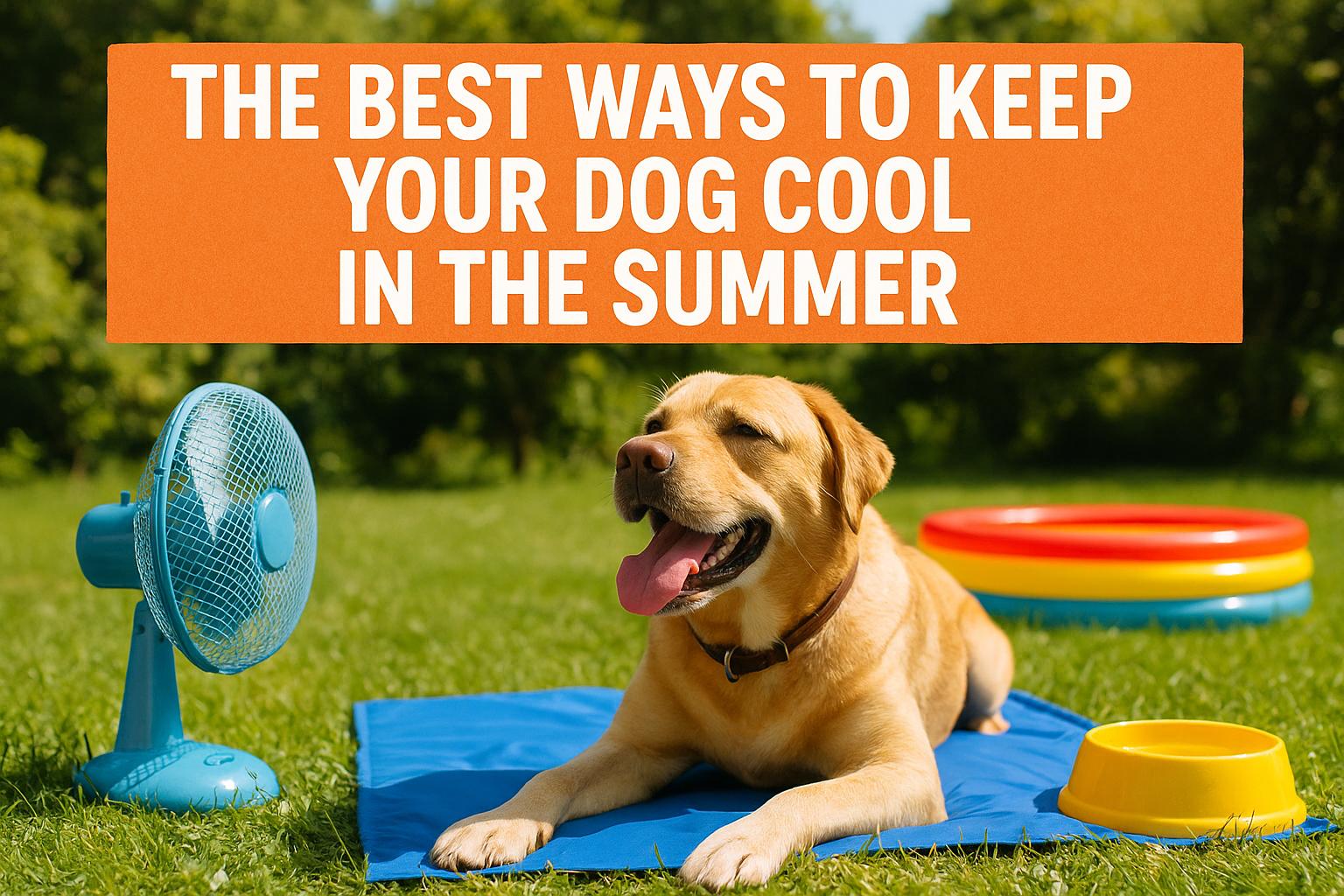
During the summer months, keeping your dog cool is crucial for maintaining their health and well-being. Dogs are susceptible to heatstroke and other heat-related issues because they do not sweat like humans do. Instead, they primarily cool themselves through panting and limited sweat glands in their paw pads. Therefore, it’s essential to employ strategies that help regulate their body temperature.
Ensuring that your dog has easy access to shaded areas is vital, whether you’re staying at home or spending time outdoors. At home, natural shade from trees, constructed awnings, or a well-ventilated dog house are effective. When you are away from home, consider the use of portable shades like umbrellas or shade tents. On top of this, always ensure that your furry friend has access to fresh, cool water. The water source should be checked and refilled frequently, as it can warm up fast when exposed to high temperatures, potentially accelerating dehydration rather than preventing it.
Exercise is crucial for a dog’s mental and physical health, but during extremely hot days, it is wise to adjust their routines. When walk or playtime is scheduled, aim for the early morning or late evening, times of day when temperatures are usually cooler, reducing the risk of heat-related stress. On particularly hot days, it may be useful to reduce the intensity and the duration of physical activities. Check the ground temperature too; hot pavement can cause burns or discomfort to your dog’s sensitive paws. A simple way to test this is the “five-second test” — if the pavement is too hot for the back of your hand for over five seconds, it’s too hot for your dog’s paws.
Incorporating cooling products into your dog’s routine can provide additional protection against high temperatures. Cooling mats, which often utilize water or specialized gels, work to absorb heat effectively and offer a comfortable resting area for your dog. Cooling vests and bandanas, specifically designed to be wet with cold water and draped over your dog, can also play a significant role in maintaining a comfortable body temperature, particularly during walks. These products are engineered to aid in the natural cooling processes, offering a simple yet effective way to address the risk of overheating.
Being mindful of the signs of heatstroke is critical since rapid recognition and response can be life-saving. Symptoms of heatstroke may manifest as excessive panting, drooling, lethargy, an unusually high fever, or even vomiting. If heatstroke is suspected, immediately move the dog to a cooler place, preferably one with shade or air conditioning. After relocating them, a veterinarian’s care should be sought without delay. During transit or while awaiting professional help, gently apply cool, not ice-cold, water to your pet’s body. A cloth soaked in cool water and placed on the neck or beneath the forelimbs is effective. Offer your dog small amounts of water, but do not force them to drink.
For dogs that spend much of their time indoors, creating a comfortably cool indoor environment can greatly benefit their well-being. Utilizing fans or air conditioning units is one straightforward method of maintaining a pleasant interior temperature. Furthermore, encourage your dog to rest on naturally cool surfaces, like tiled floors. These surfaces provide natural cooling due to their lower-than-air ambient temperatures. A damp towel spread out for the dog to rest on also adds a layer of comfort. This simple setup effectively dissipates excess body heat, particularly in hotter indoor areas such as kitchens or sunrooms.
The role of grooming in maintaining a dog’s summer comfort should not be overlooked. While it is a common myth that shaving all dogs in warm weather is beneficial, some canine breeds fare better with their full coat intact. Their coat can indeed offer protection against the sun, similar to wearing a lightweight long-sleeve shirt. Regular grooming, however, ensures that the coat remains free from mats or excessive shedding, which can hinder air circulation and natural heat dissipation processes. Enlist the help of a professional groomer to assess what grooming style best suits your dog’s breed and lifestyle. Breeds with double coats, such as Huskies or Shepherds, may require different grooming considerations compared to single-coated breeds like Greyhounds.
In conclusion, implementing these strategies can protect your dog from summer’s intense heat. Through attentive monitoring and offering essential resources, you can assure that your dog enjoys a comfortable and safe environment. By taking proactive steps in managing their atmosphere and activities, you can significantly contribute to their overall comfort and safety during the warmer months. It’s not only about maintaining their physical health but also about enhancing their quality of life through thoughtful care and engagement during the warm seasons. The health of your furry friend is, after all, an extension of the well-being of your home.