
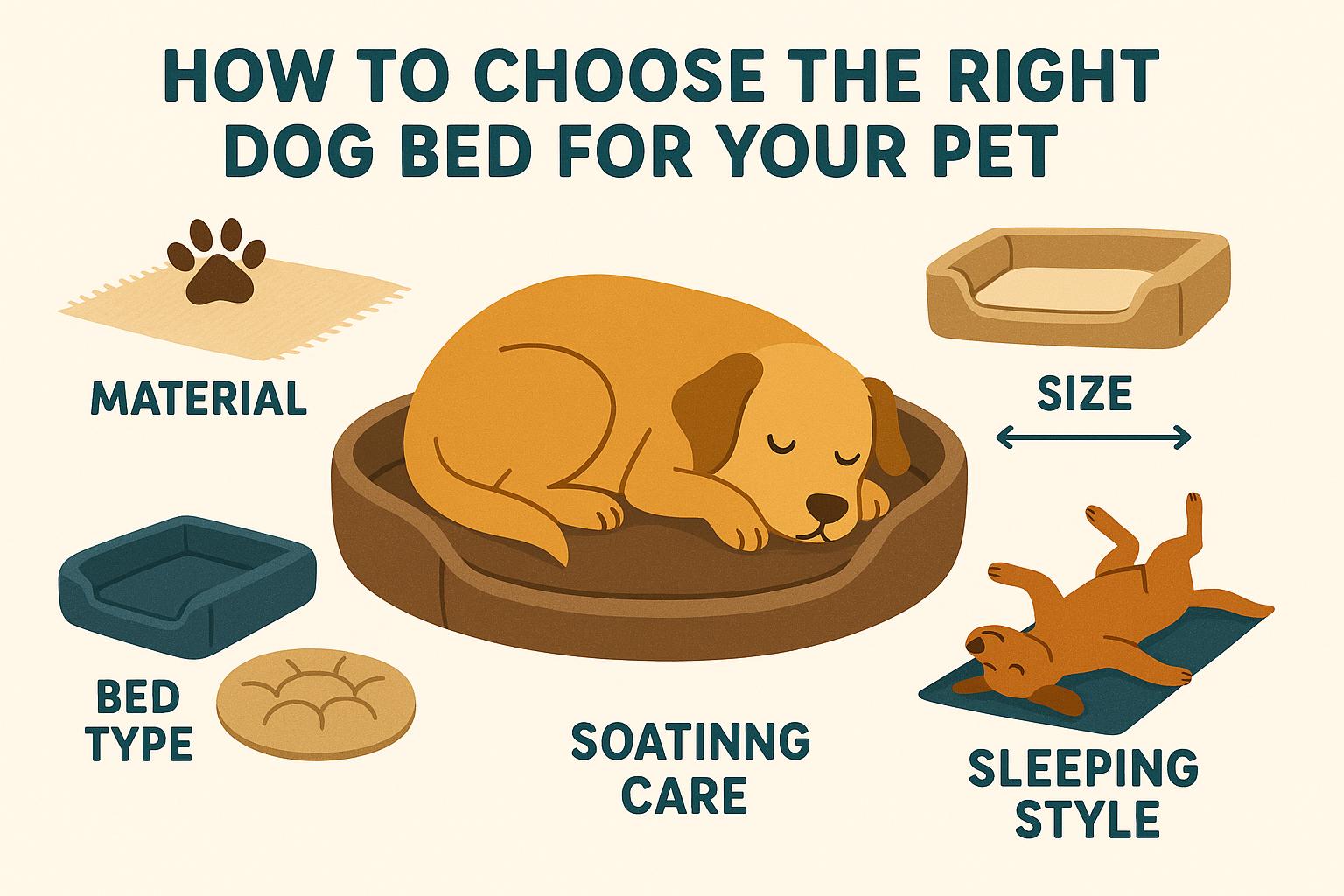
When selecting the perfect dog bed for your beloved pet, it’s crucial to take into account their individual needs and preferences. Just as humans have their own unique requirements for comfort, dogs do too. Aspects such as age, size, and health conditions significantly impact the ideal type of bedding for your furry friend. Each factor influences which bed will provide the maximum comfort and support for their specific needs.
The process of choosing the most suitable dog bed begins with a careful assessment of your dog’s age and size. Puppies, for instance, benefit from smaller, robust beds that can withstand their chew-heavy teething phases. Conversely, senior dogs often prefer memory foam beds, which are designed to offer additional support crucial for aging joints and bones. Given their considerable size, larger breeds require beds constructed to support their weight effectively and accommodate their more extended limbs without compromising on comfort.
The importance of choosing the right-sized bed cannot be overstated. A bed that is too small can result in discomfort and poor sleep quality, leading to potential health issues down the line. Conversely, an overly large bed may leave smaller dogs feeling insecure. Therefore, the correct size is vital in ensuring that your dog’s bed offers an ideal blend of comfort and security.
In addition to age and size, health conditions play a critical role in selecting the appropriate dog bed. Dogs suffering from ailments such as arthritis benefit immensely from orthopedic beds, which are crafted to provide heightened support to relieve pressure points. The materials used in these beds often encompass memory foam or medical-grade foam designed to conform to your dog’s shape, thus offering both comfort and therapeutic support.
Furthermore, if your dog experiences allergies, opting for hypoallergenic bed materials is essential. These specially designed materials help resist common allergens such as dust mites, thus ensuring a cleaner sleeping environment for sensitive dogs. Maintaining such an environment is pivotal to the health and well-being of allergic dogs, preventing unwanted allergic reactions while they rest.
Understanding the various types of dog beds available on the market enables pet owners to make informed decisions based on their dog’s specific preferences and requirements.
Orthopedic dog beds are particularly beneficial for older dogs or those with existing musculoskeletal concerns. This type of bed provides unparalleled support for joints, offering relief from pain associated with arthritis or hip dysplasia. The foam adapts to the dog’s body shape, a feature that not only aids in achieving a good night’s sleep but also contributes to muscle relaxation and better joint health.
Featuring a frame that holds the bedding surface above ground level, elevated dog beds bring multiple advantages. They facilitate air circulation beneath the bed, which is crucial in keeping dogs cool, especially during warm weather. Additionally, the tautness of the fabric offers relief by reducing stress on joints, a valuable feature for dogs with arthritis. Elevation also minimizes contact with dirt, pests, and cold floors, maintaining a cleaner space for your pet.
For dogs that find comfort in a more enclosed space, bolster beds might be the ideal choice. With raised edges, these beds provide a sense of safety, catering to dogs who prefer a cozy, secure corner. On the other hand, nest beds are softer and cater to dogs that enjoy curling up into a ball. The snugness of a nest bed offers warmth and a comforting retreat for smaller or more anxious pets.
Selecting the right material directly impacts the durability and maintenance of the dog bed. Dog beds that feature removable and washable covers are advantageous for maintaining hygiene and ensuring easy cleaning. Additionally, if your pet is notorious for accidents or chewing, it’s wise to consider beds designed with water-resistant and chew-proof materials.
Fabric choices such as cotton and polyester blends cater to durability and ease of maintenance, making them popular picks for dog beds. For pets that spend a significant amount of time outdoors, materials like canvas or microfiber offer increased resilience to wear and tear, ensuring the bed withstands more vigorous use.
The internal filling of a dog bed impacts its overall comfort level. Lightweight polyfill, for instance, offers softer surfaces, perfect for dogs that require a gentle resting spot. Meanwhile, memory foam is ideal for dogs needing additional support, particularly those with joint issues. While alternative filling materials, such as cedar shavings, can help manage odors, they may not suit dogs with respiratory concerns, necessitating careful consideration before use.
Choosing an optimal dog bed involves weighing several considerations, including your dog’s unique needs, size, and specific health requirements. A well-informed choice ensures that the bed not only provides exceptional comfort but also fosters better health and well-being. Understanding the various types, materials, and usability features will equip you to select a pet resting place that truly meets the needs of your canine companion, offering them a comfortable, supportive retreat reflective of their lifestyle and preferences.