
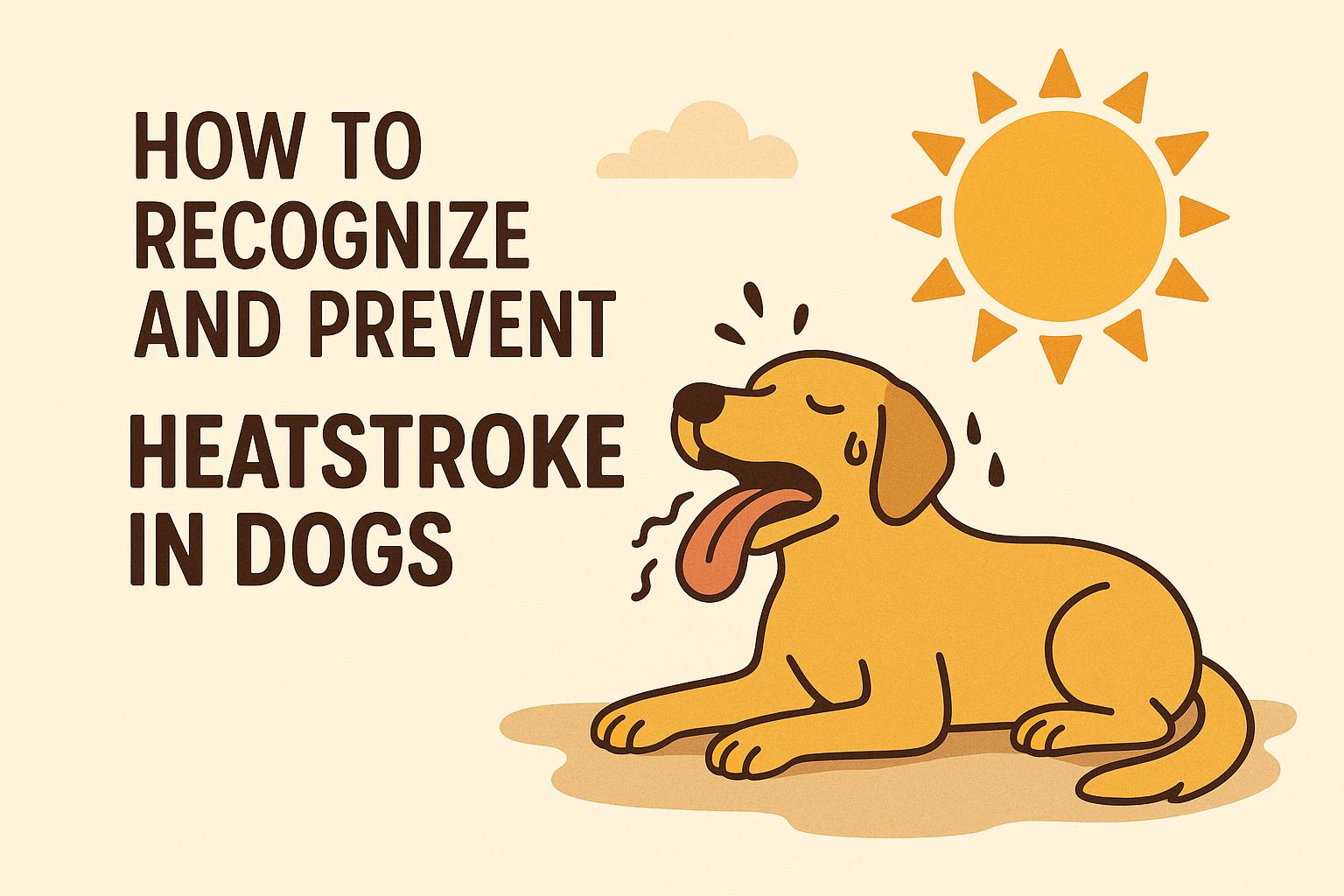
Heatstroke in dogs is a critical condition that occurs when a dog’s body temperature rises to alarming levels, generally exceeding 104°F (40°C). It can severely compromise their health, and if not managed promptly, result in severe organ damage or even death. This usually happens when their natural cooling processes, like panting, become overwhelmed. Hence, it’s essential for pet owners to be knowledgeable about the symptoms and preventive strategies related to heatstroke in dogs to ensure their well-being.
Understanding the warning signs of heatstroke in dogs is fundamental to taking timely and appropriate actions. Dogs cannot perspire like humans; they release heat primarily through panting. When this method is ineffective, it results in a rapid health decline. Here are the commonly observed symptoms:
Heavy Panting: When a dog pants excessively and appears stressed, it can be a notable indicator of overheating.
Excessive Drooling: Noticeably increased saliva production is the dog’s response to an inability to regulate its internal temperature effectively.
Disorientation and Lethargy: Dogs that seem dazed, have trouble walking, or lack their usual energy levels are possibly showing signs of heatstroke.
Red or Pale Gums: The color of a dog’s gums is a significant health indicator. A stark change may reflect impaired blood circulation due to overheating.
Rapid Heartbeat: As temperatures rise, so does the heart rate, as the body attempts to circulate blood faster in an effort to cool down.
Vomiting or Diarrhea: These symptoms are hazardous as they can quickly lead to dehydration, amplifying the effects of heatstroke.
Preventive care is indispensable when it comes to heatstroke. By adopting proactive practices, you can create an environment that minimizes the risk of heat-induced stress:
Provide Adequate Shade and Ventilation: Ensure your dog has access to cool and well-ventilated spaces. On hot days, this simple measure can be a lifesaver.
Hydration is Crucial: Maintaining a steady supply of fresh and cool water for your dog is one of the most effective ways to keep heatstroke at bay.
Avoid Intense Exercise: Limiting physical activity during peak heat times and favoring exercise in the cooler parts of the day can significantly decrease the risk of heat-related health issues.
Never Leave Dogs in Cars: It’s imperative to avoid leaving dogs in cars, as temperatures can quickly escalate to dangerous levels, even on a seemingly mild day.
Owners must be attentive to the environmental conditions and adjust their pet care routines accordingly to prevent heatstroke.
Should you suspect that your dog is experiencing heatstroke, swift action is paramount. Here are the crucial steps to take:
Seek Veterinary Assistance: Immediate contact with a veterinarian is crucial. They can provide instructions for urgent care and facilitate necessary medical intervention.
Cool the Dog Gradually: Lower the dog’s temperature by applying cool (not ice-cold) water, focusing on the belly and feet. This gradual cooling is important to avoid shock from too rapid a temperature change.
Promote Air Circulation: Enhancing airflow by placing the dog in front of a fan can aid the cooling process and help stabilize their condition more quickly.
Implement these immediate actions with urgency and care, ensuring that the dog’s safety and health are prioritized until professional help can be administered.
Preventing heatstroke in dogs involves more than just shielding them from the sun. It’s about creating an environment that naturally discourages overheating while encouraging responsible pet care practices. By remaining alert and responsive to your dog’s needs, you can greatly mitigate the threat of heatstroke and be prepared to address any symptoms without delay.
For more comprehensive information on canine heatstroke and detailed care guidelines, resources from reputable sources such as the American Veterinary Medical Association are invaluable. Additionally, consulting a veterinary professional can offer personalized advice and support, suiting your dog’s particular health requirements and lifestyle.
Through education and vigilant practice, the risks of heatstroke in dogs can be significantly minimized, fostering a healthier, safer life for your cherished pet. Remember that awareness and preparation are your best tools in ensuring your dog’s well-being, especially during warmer months.