
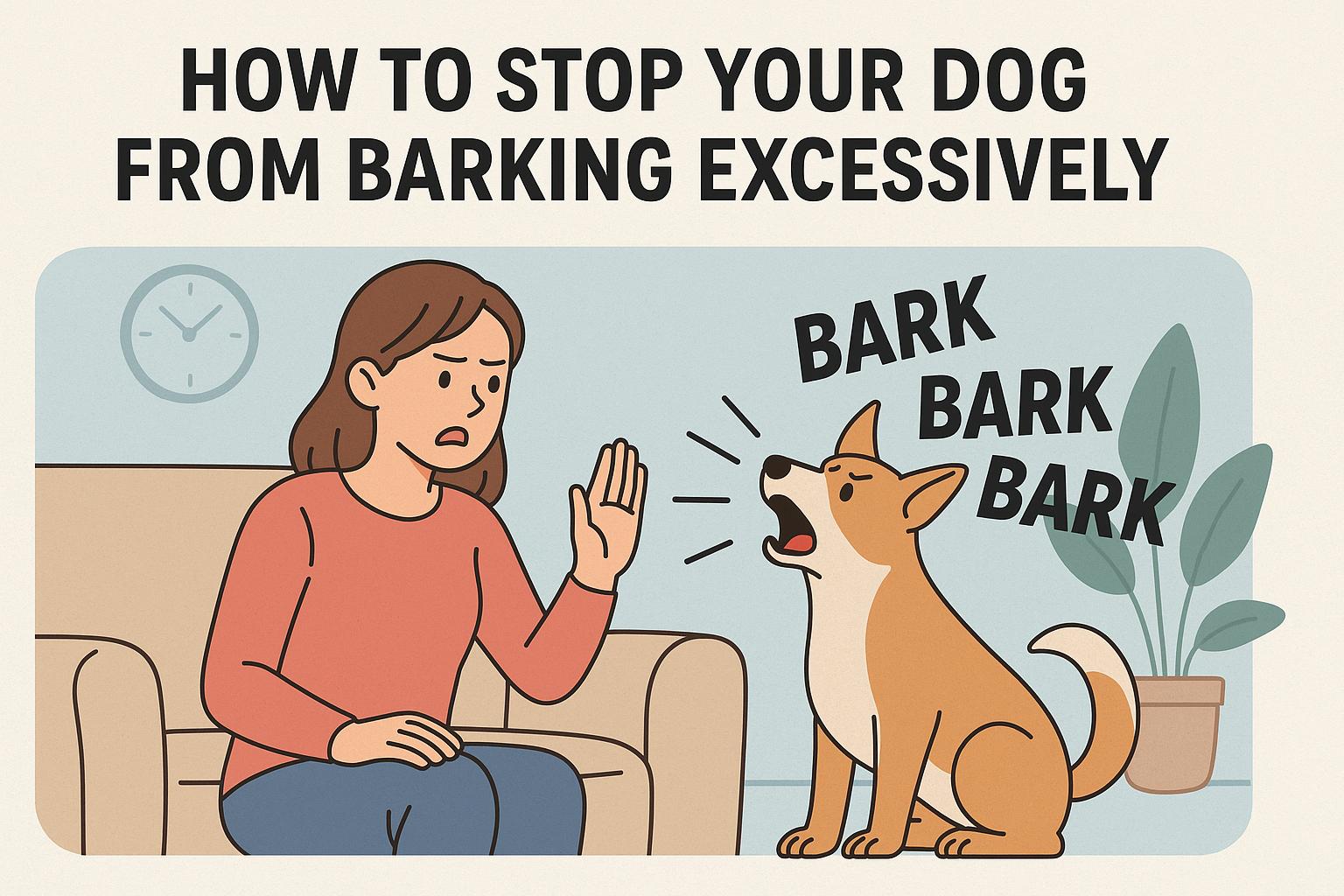
Excessive barking in dogs can prove to be quite the disruption, not just for pet owners but also for neighbors and the surrounding community. Therefore, it is crucial to first delve into an understanding of why a dog may be barking excessively. Dogs, being social animals, utilize barking as a form of communication, and interpreting the reasons behind this form of expression is the first step toward managing it effectively. Several factors can lead to excessive barking, ranging from boredom to anxiety, or it might simply be a response to external stimuli such as other animals, strangers, or changes in their environment. Identifying the specific reasons for your dog’s excessive barking is crucial as it helps in effectively addressing and managing the behavior.
Understanding the root causes that may contribute to excessive barking is paramount. Let’s explore the common reasons behind this behavior:
Boredom and Lack of Stimulation: Dogs are active creatures that thrive on physical and mental engagement. When a dog is devoid of adequate stimulation, it may resort to barking as a means to entertain itself. This form of barking is often a sign of boredom. Engaging your dog in regular walks, interactive play sessions, or providing suitable toys can significantly help in alleviating boredom-induced barking. Dogs require an outlet for their energy and curiosity; ensuring they receive this can help reduce excessive barking remarkably.
Anxiety: Anxiety-induced barking is a prevalent issue faced by many dog owners. Factors such as separation anxiety or fear of loud noises like thunderstorms or fireworks can result in a dog barking excessively. Recognizing symptoms of anxiety, such as pacing, whining, or engaging in destructive behavior, can aid in implementing suitable interventions. Addressing the root cause of anxiety through behavior modification techniques or creating a safe, comforting environment can alleviate this form of excessive barking effectively.
Alert/Protective Instincts: Dogs are naturally equipped with a protective instinct that prompts them to alert their owners of perceived threats. This form of barking, often accompanied by growling or an attentive stance, signals the dog’s attempt to protect its territory or family. While it is an adaptive behavior, teaching your dog to differentiate between real threats and false alarms is crucial. Training your dog to understand when it is appropriate to bark can help manage and modulate this protective behavior over time.
Once the underlying cause of your dog’s excessive barking has been identified, various strategies can be employed to manage and mitigate this behavior effectively. Implementing these techniques with patience and consistency is key to achieving the desired results.
Training your dog using various proven techniques can significantly reduce excessive barking:
Positive Reinforcement: A reward-based training approach is often highly effective in modifying a dog’s behavior. Whenever your dog ceases barking on command, offer them a treat or shower them with praise. This reinforces the desired behavior and gradually conditions your dog to associate quietness with positive outcomes. Consistency is key with this method; ensure that you reward your dog every time they obey your command, reinforcing their good behavior over time.
Desensitization: Desensitization involves gradually exposing your dog to the triggers that cause excessive barking in a controlled manner. For example, if your dog barks at the mailman, regularly exposing it to the mailman’s presence while in a calm state can help reduce sensitivity. Rewarding your dog whenever they remain quiet during these exposures can gradually diminish their barking response to such stimuli.
In addition to training techniques, making adjustments to your dog’s environment can also help reduce excessive barking.
Manage External Stimuli: Reducing the external stimuli that trigger your dog’s barking can significantly alleviate the issue. Adjusting the environment by closing windows, using curtains, or playing calming music can help limit the sounds and sights that cause your dog to bark. Creating an environment that minimizes triggers can go a long way in managing barking.
Provide Ample Exercise: Ensuring your dog receives adequate physical exercise is essential in minimizing excessive barking caused by boredom or pent-up energy. A well-exercised dog tends to be more relaxed and less prone to bark incessantly. Implementing a routine that includes daily walks, playtime, or any form of physical activity tailored to your dog’s needs can effectively reduce excessive barking.
If attempts to manage excessive barking on your own prove ineffective, seeking advice from professionals may be necessary. Engaging with a professional dog trainer or a veterinarian can offer tailored solutions specific to your dog’s behavior. They can also help rule out any medical issues that might be contributing to the excessive barking, ensuring a holistic approach in managing the behavior.
For those seeking more in-depth knowledge on dog training techniques and behavior management, consulting online resources can be beneficial. Additionally, connecting with local dog trainers who can provide personalized advice based on your dog’s specific needs is recommended. These resources can equip dog owners with the necessary knowledge and strategies to address excessive barking effectively.
By understanding the underlying reasons contributing to your dog’s excessive barking and implementing strategic interventions, you can not only reduce this behavior but also ensure a more peaceful environment for both you and your pet. Through consistent training, environmental adjustments, and professional guidance when needed, managing excessive barking is entirely achievable, leading to a harmonious coexistence with your dog.