
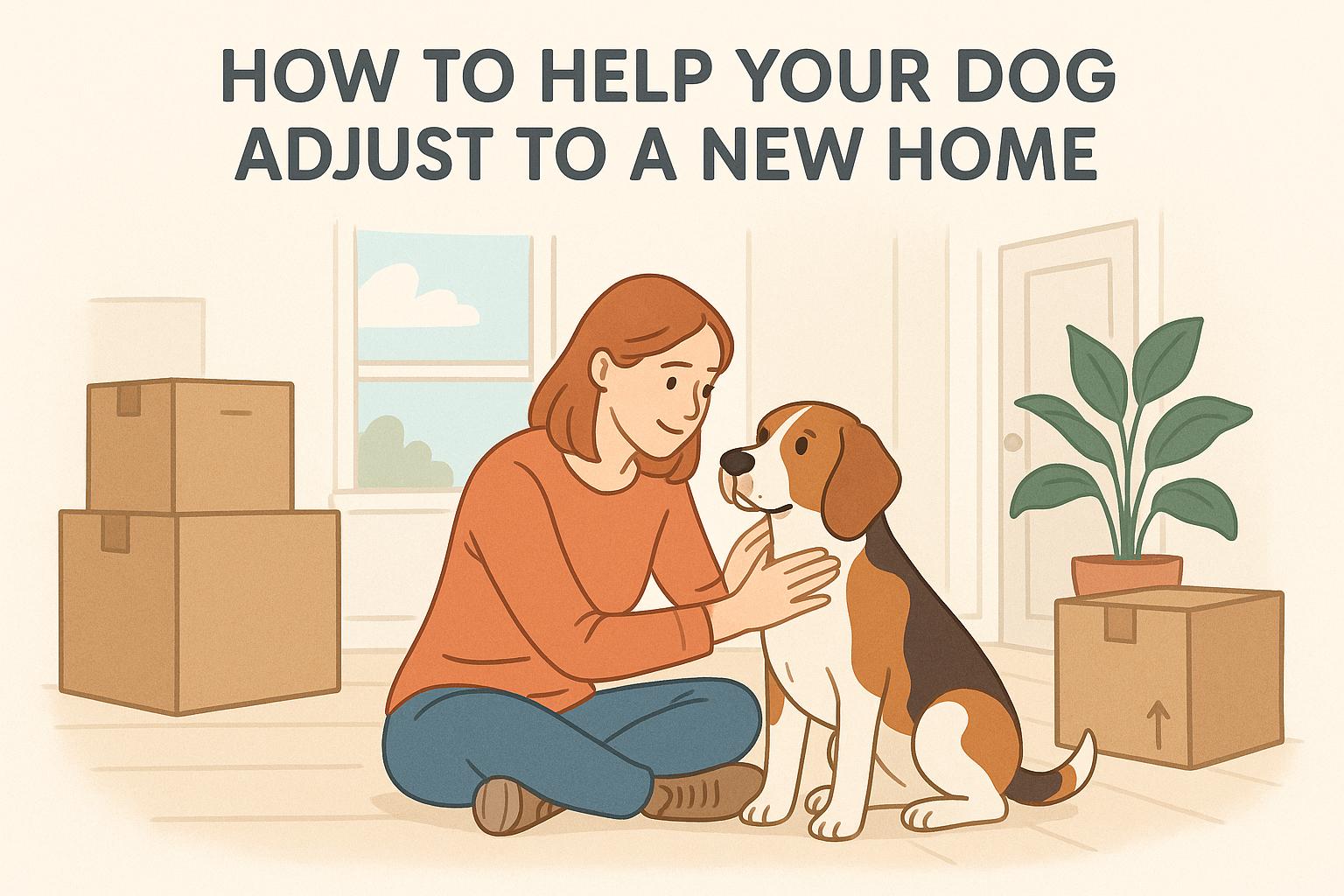
Moving to a new home can be a challenging ordeal not just for humans but for dogs as well. It is crucial to recognize the needs of your dog during this transition period to ensure their well-being. Dogs are accustomed to routines, and any change in their familiar surroundings can leave them feeling uneasy. For this reason, establishing a sense of security within the new environment becomes paramount.
To ease the transition for your dog, it is important to make the new space reminiscent of the old one as much as possible. This means bringing along items that your dog is used to. These can include their beloved bed, favorite toys, and usual feeding dishes. The consistency of these items holds significant importance as they contribute to the dog’s comfort and familiarity. By surrounding them with objects that carry their scent and have been part of their routine, you help in reducing the stress associated with the change in environment.
Dogs function best when they have a routine to rely on. Following a move, maintaining their pre-established schedule for activities such as feeding, walking, and playtime is crucial. Having these routines in place provides a structure that can help your dog manage expectations in their new setting, thus curbing any anxiety spurred by changes in their environment. It’s through predictability that dogs find stability.
Allowing your dog to become accustomed to the new house should be a gradual process. Start by introducing them to one room at a time. Ideally, begin with a room you have designated specifically for them, filled with familiar objects that make them feel secure. Progressively allow them to explore other areas of the house. This methodical approach prevents overwhelming your dog and allows them to adjust more comfortably to the new surroundings.
Behavioral changes are common in dogs when they are adapting to a new home. You might notice signs of anxiety such as barking, whining, or even hiding. Being vigilant about observing these changes is important as it enables you to detect distress signals early. When caught early, such signs of distress can be addressed properly, ensuring your dog’s happiness and comfort.
Providing your dog with reassurance can significantly facilitate the settlement process. Spending additional time with your dog is beneficial. This includes offering more attention and engaging with them interactively. Physical affection, such as petting, and the positive reinforcement of calm behavior with treats or praise, can bolster feelings of security, helping your dog feel safe in the unfamiliar surroundings.
Safety is a critical concern when settling your dog into a new home. Before granting your dog unrestricted access to the house, it is essential to conduct a thorough examination of the environment. Identify potential hazards that might be present, such as unsecured windows or toxic plants, to mitigate risks to your pet. Taking these precautions helps in ensuring that the new home is a safe space for your dog to explore.
In some cases, your dog might exhibit persistent anxiety or behavioral issues despite your best efforts. If this occurs, seeking the help of a professional might be beneficial. Veterinarians or animal behaviorists are equipped to offer specialized guidance tailored to accommodate your dog’s distinct needs. Their expertise can prove instrumental in aiding a seamless transition and addressing any underlying behavioral concerns effectively.
As you navigate the process of settling into a new home with your dog, remember that your furry friend’s adaptation can take time, patience, and care. Every step taken to understand and meet their needs not only ensures their comfort but also strengthens the bond you share. For additional insights into pet care, you might want to explore resources available from animal welfare organizations.