
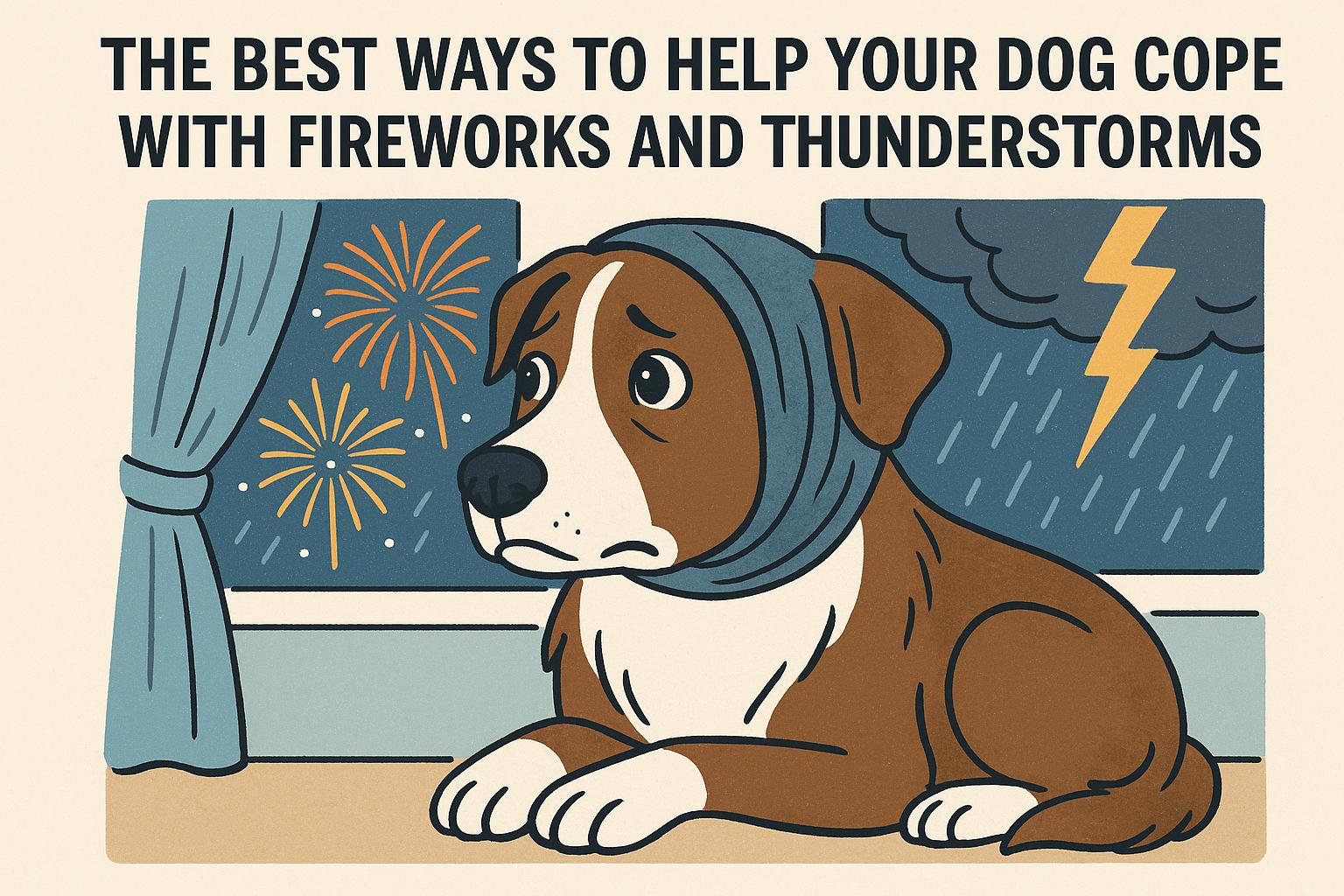
Understanding your dog’s anxiety, especially in response to loud noises like fireworks and thunderstorms, is crucial in ensuring their comfort and safety. Often, these sounds provoke fear in dogs, leading to reactions such as trembling, whining, or panting. In extreme cases, fear can escalate to destructive behavior as dogs attempt to escape from what they perceive as threats. Understanding why your dog behaves this way is the first step toward providing the help they need.
Dogs possess highly acute hearing, allowing them to detect sounds humans cannot hear. This heightened sense also means that loud and unexpected noises can be overwhelming and frightening. Acknowledging this sensitive aspect of their nature can guide you in building a trusting and supportive environment for your furry friend. Additionally, understanding these anxieties allows you to approach solutions with empathy and effectiveness.
To alleviate your dog’s anxiety during loud noise events, you can create a safe space for them. This designated area should be both physically comfortable and emotionally reassuring. Consider setting up a small room or a crate, positioned away from the noise source. Soft blankets and your dog’s favorite toys can increase their sense of security, offering familiarity amidst the chaos outside.
When designing a safe zone, it’s vital to ensure that your dog feels free rather than confined. Leaving the door or crate slightly ajar gives them a choice, allowing them to explore or retreat based on their comfort level. A safe space provides not just physical safety but a psychological refuge, reinforcing their sense of security.
Utilizing background noise is another effective strategy to comfort your dog during these stressful occasions. The aim is to mask or diminish the intensity of fireworks or thunder. Background noise can include turning on the television or playing calming music. Numerous playlists are specifically designed to calm dogs, featuring soft, soothing sounds that can help distract them from more intrusive noises. These acoustic aids form a buffer, allowing your dog to relax despite external disturbances.
For more detailed recommendations on suitable audio options for your dog, you can explore additional resources that dive into the specifics of audio therapy. Ultimately, the right choice of background noise can bring noticeable relief to your anxious pet, enhancing their comfort levels significantly.
For long-term management of noise-related anxiety, desensitization and counterconditioning are effective approaches. Desensitization is a gradual process that involves exposing your dog to recorded sounds of fireworks or thunderstorms at a low volume initially. Over time, as your dog becomes accustomed, you can incrementally increase the volume. This method helps them develop a tolerance to these sounds without the overwhelming impact they usually bring.
Counterconditioning, on the other hand, links these sounds to something positive, such as treats or fun activities. By associating previously anxiety-inducing sounds with pleasant experiences, you help your dog build a positive association. Both techniques require patience and should ideally be implemented under the guidance of a professional trainer or certified behaviorist, ensuring they’re correctly executed for maximum efficacy.
Various products are available to assist in calming your dog’s anxiety. These products include anxiety wraps, pheromone diffusers, and supplements. Anxiety wraps work on the principle of applying gentle, constant pressure to your dog’s body, which can have calming effects similar to swaddling an infant. Pheromone diffusers release synthetic versions of calming pheromones, promoting a sense of security and relaxation.
Supplements formulated with natural calming agents, such as melatonin or chamomile, are another option. It is crucial, however, to conduct thorough research or consult with a veterinarian before introducing such products to your dog’s routine. Doing so ensures their safety and appropriateness for your pet’s specific needs, preventing any adverse effects while aiming for a serene environment.
If your dog’s anxiety remains intense despite these interventions, professional consultation may be necessary. A veterinarian can provide insights and possibly suggest medication tailored to your dog’s needs. Any medicinal intervention should be the last resort, employed only when essential and under strict veterinary supervision to prevent potential side effects.
Proper evaluation by a veterinarian can, therefore, be invaluable, ensuring that all aspects of your dog’s health and well-being are considered in the anxiety management strategy.
Helping your dog cope with the fear of fireworks and thunderstorms involves combining an understanding of their anxiety, ensuring a comforting environment, and employing appropriate strategies or products. It’s important to remember that each dog is unique, and flexibility in your approach is essential.
Some methods might work more effectively for certain dogs than others. Patience and a readiness to adapt are crucial in discovering the right combination of solutions that best suits your dog. For additional information and guidance, consider consulting specialized pet behavior websites or engaging with pet care experts who can offer tailored advice. Ultimately, your own understanding and support play a pivotal role in helping your furry companion navigate these stressful periods with greater ease and confidence.