
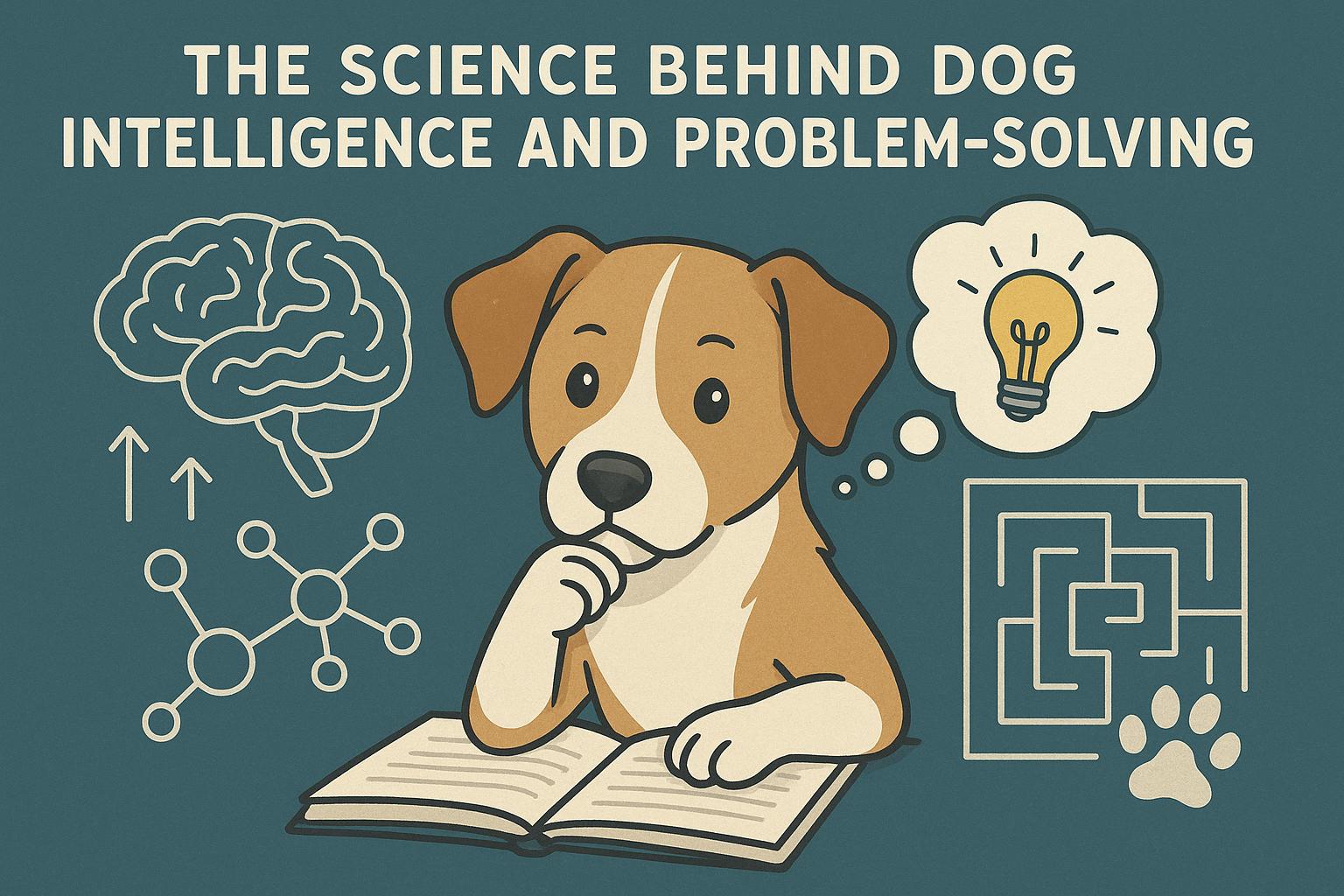
Dog intelligence is a multifaceted topic that has captured the interest of both scientists and pet owners. At its core, dog intelligence can be attributed largely to genetics. Certain breeds are known for their problem-solving abilities and comprehension skills. For instance, breeds such as Border Collies, Poodles, and German Shepherds often score high on intelligence tests. This innate capability is not solely dependent on training but is deeply rooted in their genetic makeup. Selective breeding over centuries has amplified these traits, enabling them to excel in tasks requiring cognitive skills.
Each dog breed has unique characteristics encoded within its genetic material, influencing not just physical attributes but cognitive capabilities as well. Breeders have historically sought to emphasize specific traits, such as herding ability in Border Collies or problem-solving skills in Poodles, by selectively breeding individuals that exhibit these desirable characteristics. Over generations, this has created a clear lineage of intelligence in certain breeds.
It is essential to evaluate how these genetic predispositions manifest in varied settings. Understanding genetic influence helps differentiate between behaviors that can be modified through training and those more inherent to the breed’s lineage. This clarity aids in setting realistic expectations when adopting a particular breed.
Dogs possess remarkable cognitive abilities that allow them to learn from both human and canine interaction. Studies suggest that dogs are capable of understanding human gestures and emotions, indicating a level of emotional intelligence that was previously underestimated. Observational learning plays a significant role in their ability to solve problems. By observing humans or other dogs, they can figure out how to navigate complex situations or receive rewards. The ability to learn through imitation shows a level of intelligence that is comparable to that of young children.
The way dogs interpret social signals highlights another dimension of their intelligence. For instance, dogs often respond to their owners’ tone of voice and facial expressions, adjusting their behavior based on perceived emotions. Such nuanced understanding underscores the complexity of their cognitive abilities. Moreover, social learning involves picking up cues from their environment and adapting accordingly – a process that supports their survival and integration into human families.
Memory is another critical component of a dog’s intelligence. While short-term memory may not be as developed as in humans, dogs have been shown to possess a strong long-term memory. This ability enables them to recognize and remember people, places, and specific commands over extended periods. This memory functionality is particularly beneficial for problem-solving situations, as it allows dogs to draw on past experiences to tackle new challenges.
In real-world scenarios, a dog’s memory provides a foundational element for learning through reinforcement and repetition. For instance, a dog may remember pathways taken during walks or recognize commands associated with specific activities, highlighting the practical applications of their memory capabilities.
Dogs employ a variety of techniques to solve problems, often relying on trial and error as well as learned behaviors. Their sense of smell, which is significantly more advanced than that of humans, also plays a crucial role in how they interact with their environment. This heightened sense enables them to search for hidden objects and solve puzzles designed to test their cognitive skills. Furthermore, dogs are adept at using their paws and mouths to manipulate objects, showcasing their physical problem-solving skills in action.
Problem-solving in dogs can also extend beyond the physical realm to involve complex reasoning and strategy. For example, a dog might strategically navigate obstacles to reach a treat, demonstrating foresight and an understanding of cause and effect. These problem-solving strategies can vary significantly between individuals, suggesting that personal experience and learning environments greatly influence their development.
While genetics lay the groundwork for a dog’s intelligence, training and environment are pivotal in its development. Consistent training can enhance a dog’s problem-solving abilities by reinforcing positive behaviors and encouraging cognitive engagement. The environment in which a dog is raised also significantly influences its intellectual growth. Exposure to varied stimuli, social interaction, and mental challenges can lead to a more agile and intelligent mind. Resources such as interactive toys and training programs can be invaluable in nurturing these skills. For those interested in exploring this further, check out expert opinions from canine behaviorists and trainers through online pet-related platforms and educational resources.
Interactive play and exposure to diverse settings and tasks stimulate cognitive growth, showing how environmental factors can complement genetic predispositions. Owners dedicated to cultivating their dog’s intellect will find that engaging them in problem-solving tasks enhances not only their cognitive abilities but also their overall well-being. The integration of mental exercises within daily routines offers substantial development benefits and contributes to a well-balanced canine.
The science behind dog intelligence and problem-solving is intricate and continues to evolve. Understanding the interplay between genetics, cognitive abilities, and environmental factors offers a comprehensive view of how dogs think and learn. These insights not only enrich the human-animal bond but also pave the way for advancements in training techniques and behavioral studies. For additional insights, consult specialized publications that delve into canine cognition and training methodologies.
As research progresses, further exploration may reveal new dimensions to canine intelligence, shedding light on unexplored territories of learning and adaptation. Continued investigation into these areas will likely yield innovative approaches to pet care and training, enhancing the role of dogs within human societies while strengthening the bond we share with these remarkable animals.