
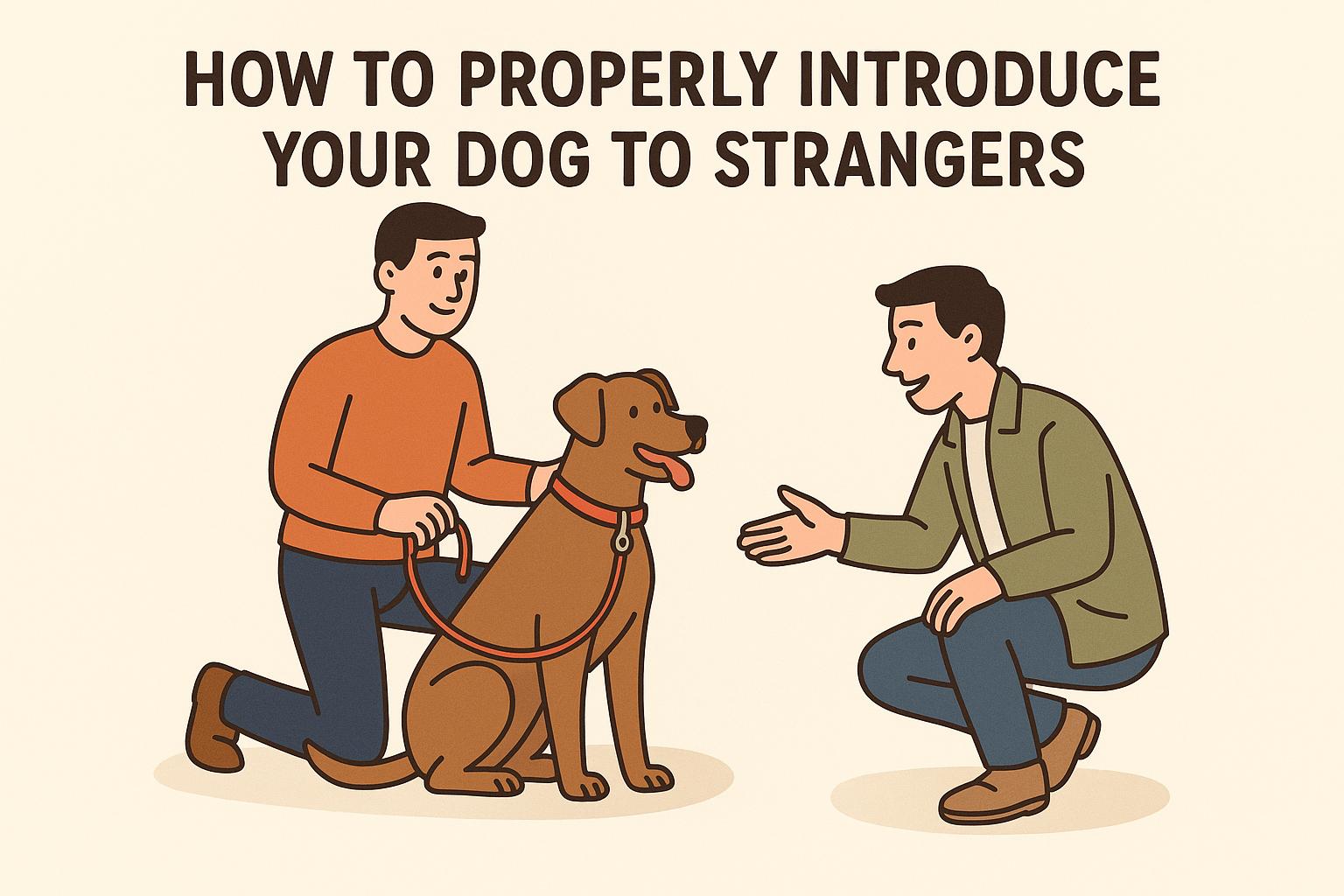
Before introducing your dog to strangers, it’s crucial to understand your dog’s temperament. Dogs, similar to humans, have individual personalities and thresholds for social interaction. Recognizing your dog’s behavior, whether they’re timid, outgoing, or somewhere in between, can guide you in making their interactions more comfortable and safe for both the dog and the strangers.
Your dog’s temperament is influenced by various factors—genetics, early social experiences, training, and even health conditions. Some dogs are naturally more sociable, while others are more reserved. Understanding these nuances can not only improve the way your dog interacts with others but can also influence their overall well-being. One effective way to assess your dog’s temperament is through observation. Pay attention to situations that make your dog happy, anxious, or stressed. This knowledge equips you with the foresight to manage encounters effectively and to troubleshoot potential problems before they arise.
Identifying signs of stress in your dog is vital. Stress indicators may include panting, whining, tucked tail, or excessive licking. If you notice these signs, it might be best to delay introductions to prevent overwhelming your dog.
In addition to the more apparent signs of stress, subtle cues like yawning, lip-licking, or avoidance behavior can also indicate discomfort. Dogs often communicate their feelings through body language, so it’s crucial to be observant and interpret these signals accurately. Another aspect to consider is if the dog’s stress is situational or persistent. Chronic stress, if not addressed, could impact your dog’s long-term health and behavior, making it imperative for owners to address prolonged discomfort with care and attention.
Once you’ve gauged your dog’s social readiness, ensure the introduction environment is calm and controlled. For nervous dogs, a quiet, familiar place can ease the introduction process. Conversely, more social canines can adapt quickly even in slightly busier settings. Make sure to keep distractions minimal to maintain the focus on a positive encounter.
Creating an optimal setting involves minimizing elements that could be perceived as threats or sources of anxiety. Choose locations where your dog has experienced positive encounters in the past, as this can bolster their confidence. Ensure the space is organized and free from sudden noises or disruptions that could startle the dog, especially if they are naturally more anxious. A controlled environment not only benefits your dog but also provides a more pleasant experience for the strangers meeting them.
A leash ensures you have physical control over your dog, allowing you to intervene swiftly if necessary. It provides reassurance to both your pet and the strangers, making it a useful tool in unfamiliar situations.
Choosing the right leash can make a significant difference in handling and control during introductions. A standard leash of about 4-6 feet provides enough length for exploration while still maintaining command. In contrast, retractable leashes, while fostering independence, can be harder to manage in potentially volatile encounters. Consider your dog’s temperament and comfort when choosing the appropriate leash.
The initial step in introducing your dog to new people is to allow your dog to make the first move. Dogs rely heavily on scent; thus, letting them sniff the stranger from a safe distance can be a courteous start. Invite the stranger to extend their hand slowly so the dog can get accustomed to their scent.
The responsibility of a successful introduction lies not only with you and your dog but with the stranger as well. You may need to educate them on the best practices of approaching a dog, which includes avoiding direct eye contact and allowing the dog time to acclimate to their presence. For the dog, it’s crucial they feel they have the autonomy to retreat if needed. It’s the owner’s prerogative to monitor, guide, and facilitate a positive interactive experience.
During the introduction, observe your dog’s body language closely. A relaxed posture, wagging tail, and curious sniffing are good indicators of a positive interaction. If your dog shows signs of stress or aggression, such as stiff body language or growling, calmly remove them from the situation to avoid escalation.
Beyond basic signs, understanding nuances like a gentle gaze versus a fixed stare or subtle shifts in ear positions can be incredibly insightful. These subtle cues provide real-time feedback on your dog’s comfort level. Immediate intervention when negative signs appear can mitigate the escalation of stress, preventing potentially adverse reactions.
Promote good behavior by rewarding your dog with treats or praise for calm and friendly interactions. Reinforcing good manners with a reward-based system encourages your dog to associate meeting new people with positive experiences, fostering healthier social skills over time.
Positive reinforcement is most effective when it’s immediate and consistent. For dogs, the closer the reward is timed to the desired behavior, the stronger the association. Verbal affirmations combined with tangible rewards such as treats or petting can cement the preferred behavior pattern, making future encounters more successful. Reinforcement isn’t solely about treats; switching to verbal praise or a brief play session can be equally motivating if treats are unavailable.
Not every meeting will be perfect, and some dogs take longer to adapt to new people than others. Progress may be incremental, requiring consistent practice and patience. Gradually increasing exposure to various people in different settings can enhance confidence and sociability gradually.
Realistic expectations involve understanding that each dog has its timeline for growth and adaptation. Genetic predispositions, history, and individual experiences shape their comfort with strangers. Set short-term goals and celebrate small successes on the path to broader social adaptability. Consistency in exposure without pressuring the dog beyond its comfort zone fosters natural progression. Multiple positive encounters gradually build a foundation of trust and confidence, ultimately leading to improved social interactions over time.
If your dog consistently exhibits fear or aggression toward strangers, consider consulting a professional dog trainer or behaviorist. These experts can offer personalized strategies and techniques to address specific behavioral issues, ensuring the safety and well-being of your dog and those around them.
Professional intervention offers tailored solutions based on a comprehensive understanding of canine psychology. Trainers and behaviorists evaluate triggers and develop systematic desensitization or counter-conditioning plans for more deep-rooted issues. Timely seek expert guidance can remedy behavioral challenges before they become ingrained, allowing the dog to thrive in more social and varied environments. Expert advice adds a valuable layer of understanding and informs owners about underlying factors contributing to their dog’s behavior.
For more tips on dog training and socialization, visit this dog training resource from a reputable organization. They provide detailed guidance on fostering well-behaved and sociable pets.
The commitment to understanding and nurturing your dog’s socialization begins with knowledge and the application of effective strategies. Whether through observation, preparation, or seeking professional help, every step taken to understand and support your dog’s temperament ensures happier engagements for your pet and the people they meet.