
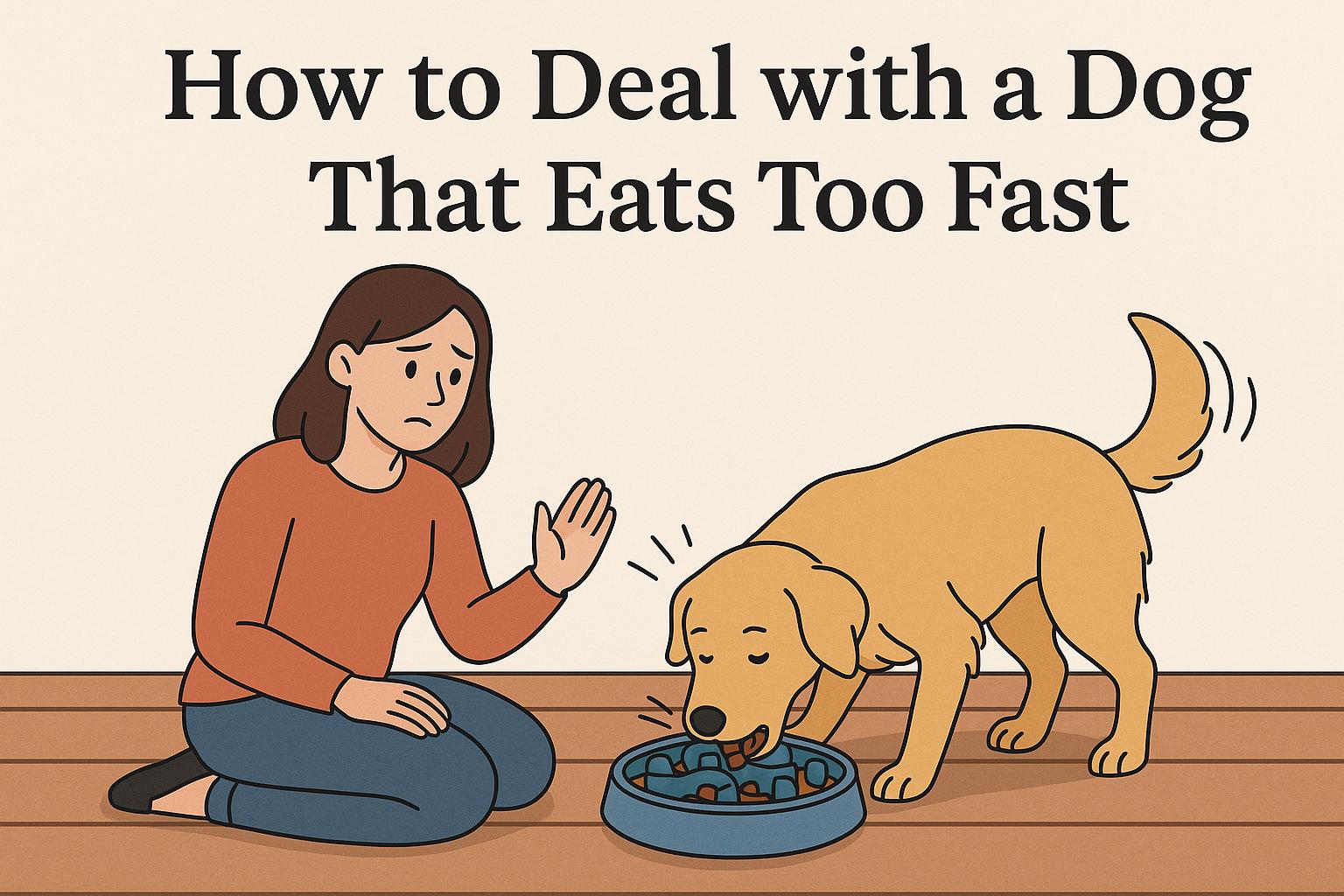
Dogs that eat too fast can face several health risks, including choking, vomiting, and gastrointestinal distress. This behavior, often termed “gulping,” can also lead to a condition called bloat, which is potentially life-threatening. It’s essential to understand why your dog might be eating quickly to address the issue effectively. In this article, we will delve deeply into the causes of fast eating, methods to mitigate it, and the potential health benefits of encouraging slower eating habits.
There are numerous reasons a dog might eat rapidly. Canine fast-eating behavior often puzzles pet owners, prompting them to wonder why their furry friends display such urgency during meals. Some prevalent causes include:
Competition: In multi-dog households, the race for food can lead to fast eating. Dogs may rush their meals to ensure they get enough to eat. This behavior is rooted in the instinctual drive to secure resources in environments perceived as competitive. For dogs living with other pets, mealtime can resemble a race, urging them to consume their share swiftly before another dog intervenes. It’s essential to observe the dynamics within households that have multiple pets to understand if competition is influencing their eating habits.
Previous Experiences: Dogs that have experienced inconsistent access to food or have been in environments where meals were limited might develop fast-eating habits. A history of scarcity can instill anxiety at mealtime, causing a dog to bolt down food in anticipation of not having more available later. Understanding your pet’s background can unveil the roots of their rapid eating and help tailor approaches to assuage this behavior.
Hunger: If your dog is particularly hungry due to a lack of feeding structure or high energy expenditure, they might eat too quickly. A regimented feeding schedule is crucial for ensuring consistent energy levels and reducing the compulsion to gulp down meals. Dogs with active lifestyles or those engaged in high-energy activities require adequate nutrition and timely feeding to satiate their hunger and minimize fast-eating tendencies.
To help a dog slow down while eating, a few adjustments can be made to their feeding routine. Encouraging a dog to adopt slower eating habits involves practical solutions, from modifying meal setups to changing feeding implements. Here’s how you can approach it:
Use of Slow Feeders: Specialized bowls, such as slow feeder bowls with maze-like designs, make it harder for a dog to gulp down food quickly. These bowls are designed to create obstacles and force the dog to eat more slowly. The maze-like patterns require a dog to navigate around them, effectively prolonging mealtime and allowing for better digestion. Petco and Chewy offer a variety of slow feeder options that can suit different dog sizes and needs. When selecting a slow feeder, consider the size and eating style of your dog to optimize the benefits.
Consider dividing your dog’s daily food allowance into smaller, more frequent meals. This strategy helps reduce hunger-driven fast eating by ensuring they aren’t overly hungry by the time feeding occurs. Providing meals at consistent intervals prevents excessive hunger and curtails the urgency to eat quickly. Additionally, smaller portions at more frequent intervals can align with a dog’s natural digestive rhythm, promoting easier digestion and nutrient absorption.
Although more time-consuming, hand-feeding can be an effective way to slow down your dog’s eating pace. By offering small amounts of kibble at a time, you control the speed at which they eat. Hand-feeding establishes a personal connection during meals, allowing pet owners to monitor their dogs closely. This method is beneficial for building trust, especially with rescue dogs or those with a troubling history related to food access.
Another method to slow down your dog’s eating is placing an obstacle, like a clean rock that’s too large to swallow, in their bowl. This forces your dog to eat around it, naturally slowing the process. The strategic placement of such obstacles can disrupt the uninterrupted consumption of food, compelling dogs to navigate around the object, thus decelerating their eating pace. Care should be taken to ensure any items placed in the bowl are sanitary and appropriately sized to prevent a choking hazard.
As you implement these strategies, observe your dog’s eating habits and overall health. Adjust your approach as necessary to find the most effective solution. Be attentive to any signs of distress or discomfort in your dog and consult a veterinarian if needed. Regular assessments of your dog’s health and eating patterns enhance understanding of the effectiveness of your chosen strategies, facilitating timely adjustments.
It’s crucial to always approach dietary changes and interventions with consideration of your dog’s specific needs and consult with a professional if there are concerns about their health or behavior. Different breeds and individual dogs may have unique requirements, and ensuring their well-being sometimes necessitates professional guidance. Implementing effective solutions for fast eating facilitates better digestion, reduces health risks, and contributes to your dog’s overall quality of life. Through patience and careful observation, pet owners can cultivate a harmonious mealtime experience that supports their dog’s health and happiness.