
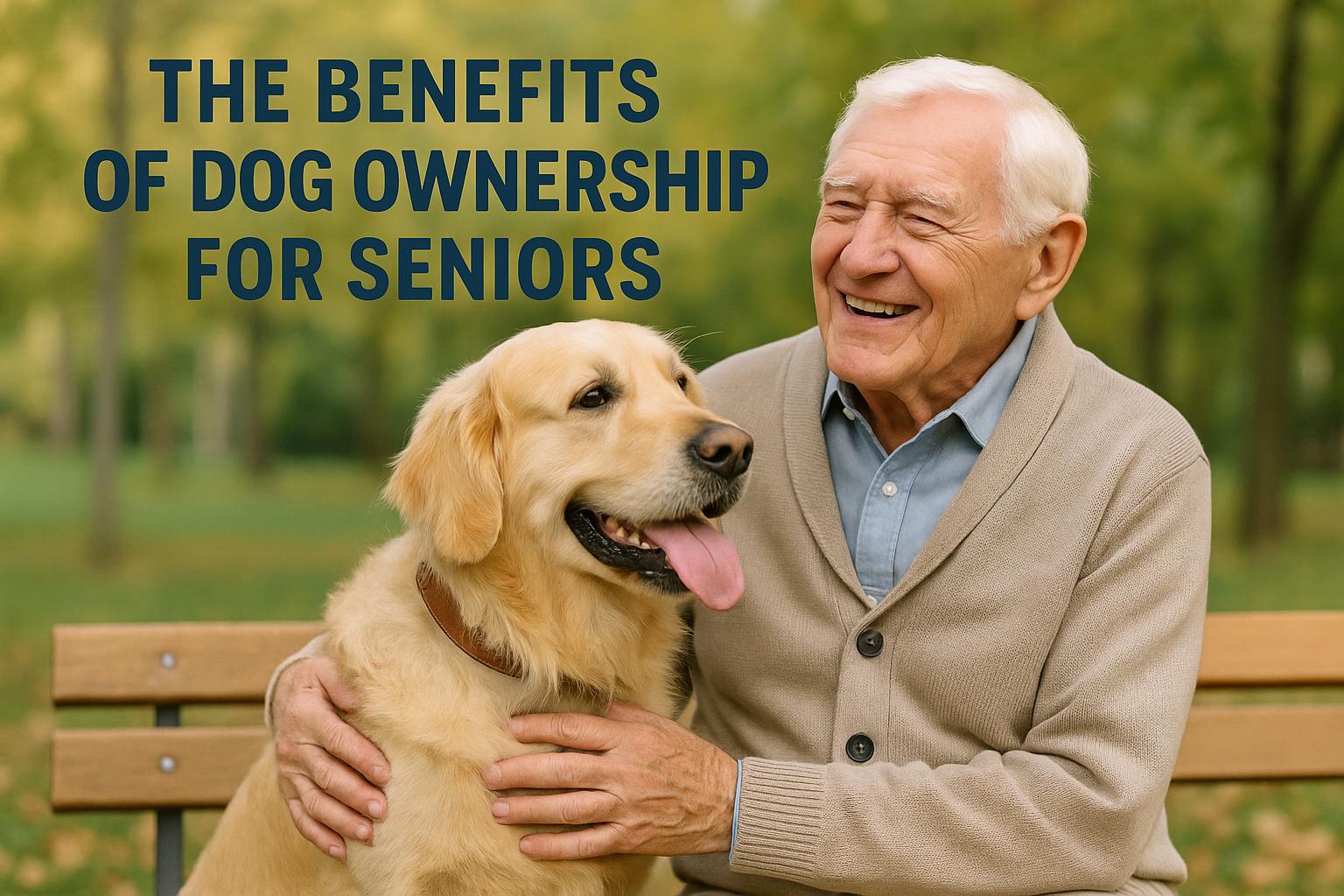
Dog ownership offers numerous advantages for seniors that can notably improve their quality of life. From enhanced physical well-being to increased social connections, having a canine companion can be a deeply rewarding experience for older adults. In this exploration, we will delve into various aspects of how dogs positively impact seniors’ lives, encompassing physical health, mental health, social mechanisms, and even safety concerns.
A prominent benefit of owning a dog is the encouragement of regular physical activity. Dogs require walking, a necessity that motivates seniors to maintain a consistent exercise routine. Engaging in daily walks not only helps decrease body weight but also aids in lowering blood pressure and improving cardiovascular health. This regular cardiovascular exercise is essential, particularly for seniors who may be at greater risk for these health concerns. Additionally, taking part in playful interactions and providing care for a dog can help maintain and sometimes enhance overall mobility and strength in seniors.
Beyond walking, other activities such as playing fetch, frisbee, or simply engaging in light play, can boost agility and flexibility. These activities contribute significantly to an active lifestyle, which can be essential in combating the natural decline in physical capabilities that may accompany aging. Furthermore, feeding, grooming, and attending to the needs of a dog help maintain coordination and precision, stimulating active engagement throughout the day.
The companionship provided by dogs vastly impacts mental health positively. Canine friends offer unconditional love and companionship, which can be incredibly valuable in reducing feelings of loneliness and isolation that many seniors face as they age. Having a dog at home provides a sense of purpose and consistent companionship that can counteract the solitude experienced by some seniors, especially those who live alone or are far from family.
Moreover, the emotional bonds formed with pets offer significant emotional support, potentially alleviating symptoms of anxiety and depression. Having a routine centered around a pet can enhance cognitive functions by supplying mental stimulation and promoting engagement with the environment. For example, remembering appointments with the vet or planning the daily feeding schedule requires and promotes mental planning and focus. These tasks, though seemingly simple, can provide much-needed consistency and stability, helping structure daily life in a positive way.
Dog ownership serves as an effective medium for increasing social interactions. Walking a dog in a local park or neighborhood often leads to encounters with fellow dog owners, forming a bridge to potential new relationships. These frequent interactions facilitate opportunities for seniors to build and maintain new social networks, which are crucial for reducing social isolation. Conversations about dogs and shared experiences can easily spark connections, leading to forming friendships or even larger community engagements centered around pet ownership.
Participating in group activities such as dog training classes or local animal events can further enhance these social opportunities. This can expand a senior’s social horizon, introducing them to varied gatherings, club meetings, and social adventures, fostering a more socially active lifestyle.
Beyond emotional and social perks, dogs occasionally offer a perceptible sense of safety and security for seniors. A dog’s natural inclination to bark at unfamiliar individuals can effectively act as a basic alarm system, alerting the pet owner to potential intruders. This can provide a tangible sense of security, particularly beneficial for seniors residing alone. The presence of a dog acts both as a deterrent for potential suspicious activity and enhances the owner’s confidence in their home environment. Such an enhanced sense of security can result in peace of mind, directly influencing their overall well-being.
For those seeking further insights into the benefits of pet ownership among older adults, resources such as the National Institute on Aging offer a deeper dive into this subject.
In Summary, owning a dog can play a profound role in enhancing the physical, mental, and social well-being of seniors. As detailed, these benefits collectively contribute to an elevated quality of life, revealing why dog ownership is an invaluable consideration for many older individuals. Whether mitigating isolation, fostering physical activity, providing a robust sense of companionship, or ensuring emotional and physical security, dogs can profoundly impact seniors, supporting them in achieving a fulfilling and dynamic lifestyle. While not all seniors may find dog ownership feasible or desirable, for those who do, it can be a life-enhancing decision with numerous long-lasting impacts.