
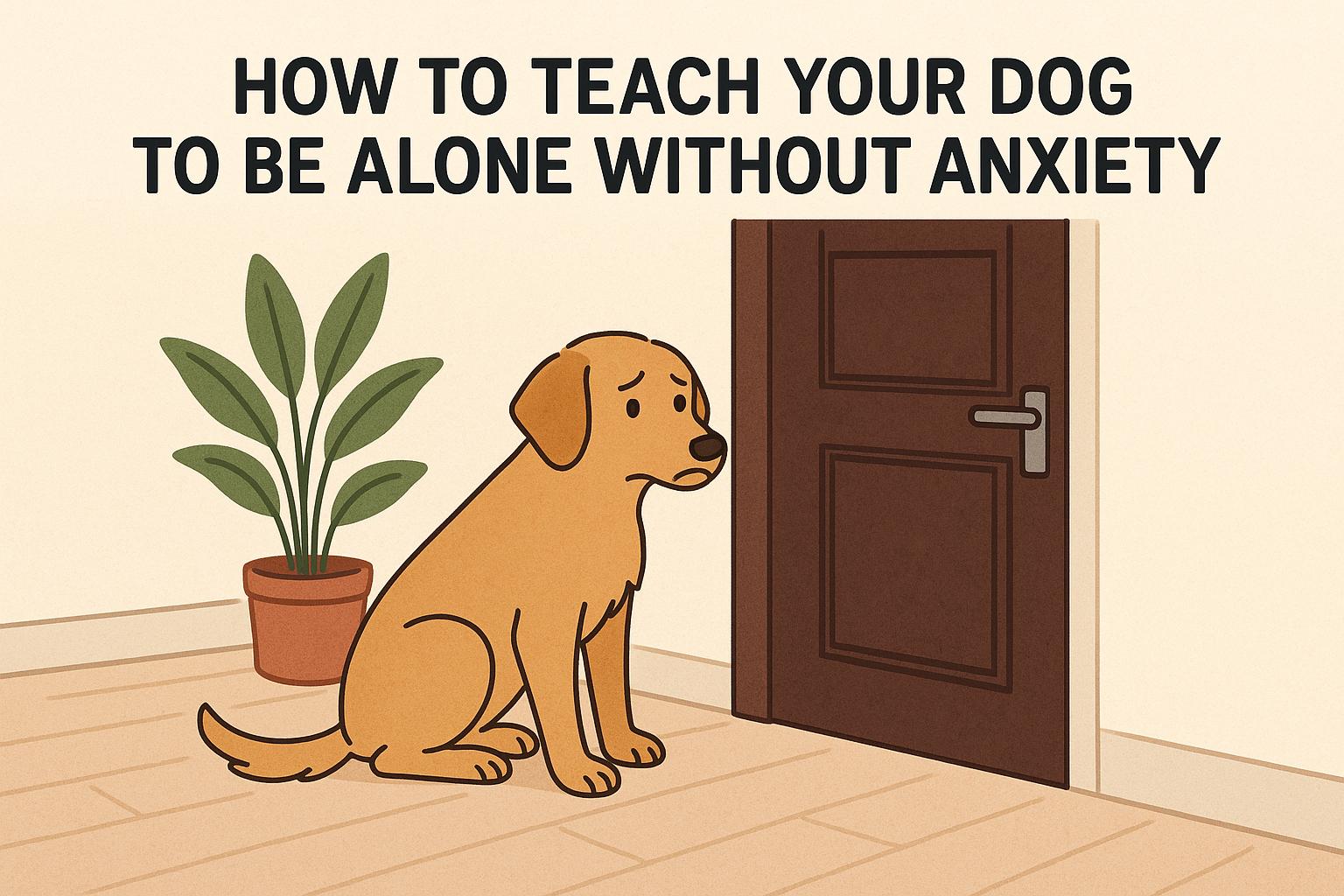
Separation anxiety in dogs is a prevalent issue facing many pet owners today. This condition can manifest in various disruptive and troubling behaviors such as excessive barking, destructive tendencies, and attempts to escape. To effectively tackle this issue, it’s essential to understand its root causes and symptoms.
The causes of separation anxiety in dogs are multifaceted. A dog’s anxiety can stem from numerous factors including:
1. **Change in Routine**: Dogs are creatures of habit and thrive on routine. Sudden changes in their daily schedule, such as a change in the household’s working hours, can lead to uncertainty and anxiety.
2. **Lack of Adequate Exercise**: Physical activity is crucial for a dog’s mental well-being. Without sufficient exercise, dogs may become bored and anxious when left alone.
3. **Traumatic Experiences**: Past traumatic experiences, such as being rehomed from a shelter, can increase a dog’s susceptibility to anxiety when left alone.
4. **Insufficient Training from a Young Age**: Dogs that are not gradually introduced to being alone from a young age may struggle with separation anxiety as they mature.
Understanding the specific causes affecting your dog will allow for a more tailored and effective approach to reducing anxiety.
Identifying separation anxiety early is vital in preventing the behavior from becoming entrenched. Here are some symptoms to watch for:
Barking and Whining: Excessive vocalization when left alone is a common symptom of anxiety. It’s essential to distinguish between normal barking and this anxiety-induced behavior, which tends to persist for longer periods.
Destructive Behavior: Dogs with separation anxiety often engage in destructive chewing or scratching, targeting doors, windows, or furniture. This behavior is usually an outlet for their stress and not merely mischief.
House Soiling: Even housebroken dogs may soil the house when stressed. This soiling is typically a direct result of their anxiety rather than a lack of proper training.
Pacing and Restlessness: Observation of increased pacing or restlessness, particularly as you prepare to leave, can indicate anxiety. These behaviors are often accompanied by other signs such as panting or drooling.
By recognizing these symptoms, pet owners can address the issues before they worsen.
One effective method for easing canine separation anxiety is through gradual desensitization. This technique involves a careful and patient approach to help your dog acclimate to being alone.
When beginning the desensitization process, it is crucial to start by leaving your dog alone for very short periods of time, typically a few minutes. Gradually increasing the time interval allows the dog to become accustomed to solitude without overwhelming them. It’s important during this phase to ensure the experience is positive; offering a special toy or a treat that is reserved specifically for these occasions can help create a positive association.
Creating a designated safe and comfortable area for your dog can significantly reduce anxiety. This dedicated space should include their bed, preferred toys, and other calming stimuli like soft music. The idea is to create an area where your dog feels secure and at ease, mitigating the stress of your absence.
Positive reinforcement is a powerful tool in modifying your dog’s behavior. By offering rewards for desired behaviors, you can help your dog associate being alone with positive experiences.
To employ positive reinforcement effectively, provide treats or praise when your dog remains calm as you prepare to leave or upon your return. Avoid making a fuss during these times, as it can heighten anxiety rather than reducing it. The goal is to signal to your dog that your comings and goings are routine and nothing to be anxious about.
Using puzzle toys or treat-dispensing devices can be an excellent way to keep your dog’s mind engaged while you’re away. These toys not only provide mental stimulation but also serve as a distraction from your absence. Always ensure these toys are safe and suitable for your dog’s size and chewing behavior.
In instances where separation anxiety is particularly severe, seeking professional help may be necessary to address the issue adequately.
If your dog exhibits severe levels of anxiety that you feel unequipped to handle, consulting a professional dog trainer or behaviorist can be beneficial. These experts can assess your dog’s specific needs and provide customized strategies tailored to alleviate anxiety effectively.
In conjunction with behavioral strategies, certain medications or calming supplements prescribed by a veterinarian may aid in managing severe cases of anxiety. However, these should only be used under professional guidance to avoid potential side effects or dependency.
Understanding and addressing separation anxiety involves a combination of patience, understanding, and, often, expert guidance. By applying gradual desensitization techniques, positive reinforcement, and seeking additional support when needed, pet owners can help their dogs become more at ease with being left alone. This holistic approach ensures that the well-being of the pet is prioritized, leading to a happier, more well-adjusted companion.