
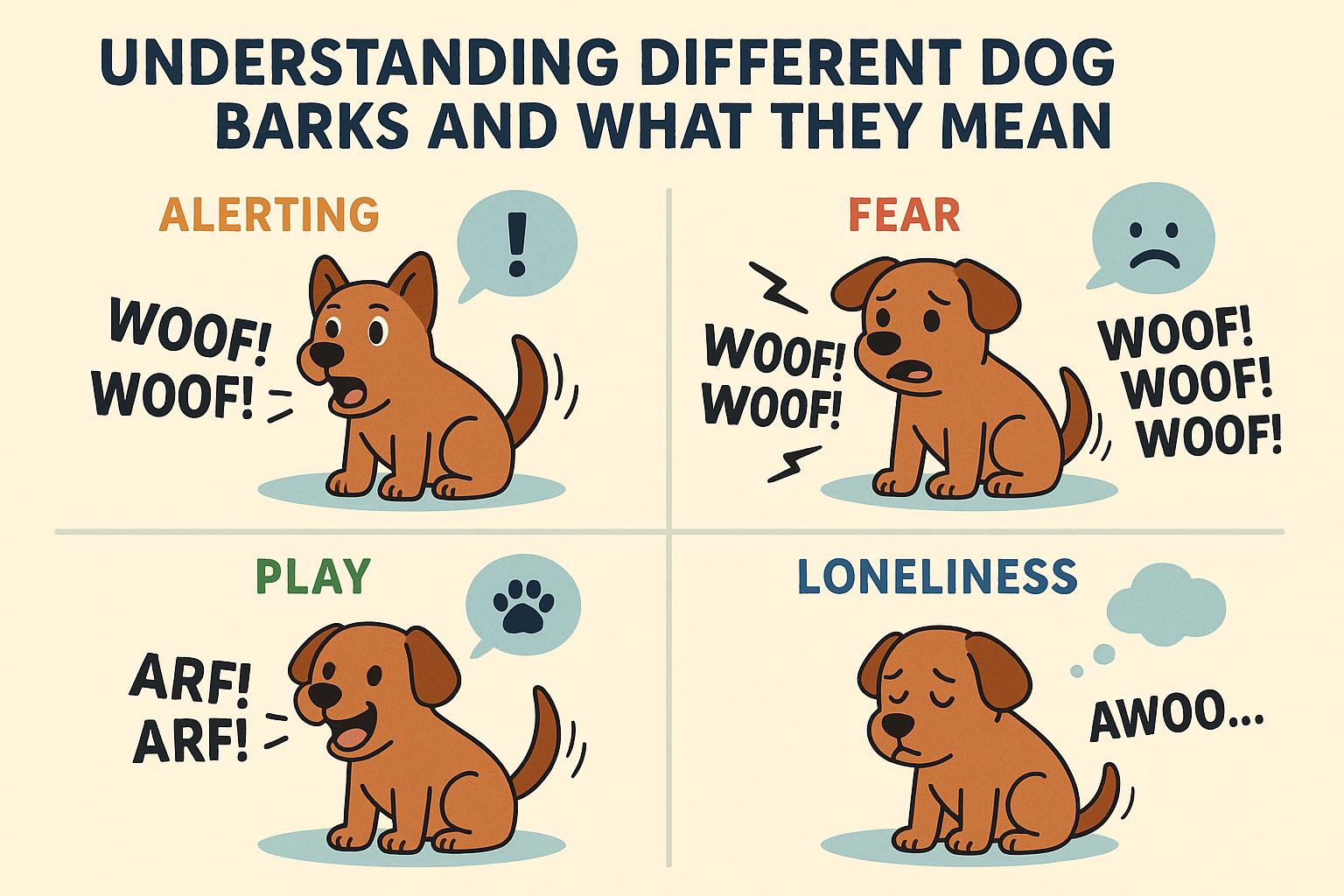
Understanding the subtleties behind different dog barks can greatly enhance the relationship between humans and their canine companions. Dogs use barking as a primary form of communication, conveying varying emotions and intentions. Through an analysis of these vocalizations, dog owners and enthusiasts can gain deeper insights into what their dogs are trying to express. This understanding not only fosters a stronger bond but also aids in ensuring the well-being and happiness of the dogs.
Dogs bark in different patterns depending on a myriad of factors. The intensity, frequency, and context of a dog’s bark can provide ample clues to the dog’s emotional state or its immediate needs. By thoughtfully observing and interpreting these patterns, dog owners can tailor their responses to be more effective and nurturing.
A series of short, repetitive barks generally indicates excitement or curiosity. This pattern is common when dogs are stimulated by their environment or when they anticipate something enjoyable. For example, dogs often produce these barks when greeting their owners after a long day or during energetic play sessions. Additionally, this type of barking may occur when they notice unusual activity outside, such as another dog passing by or wildlife in their vicinity. Recognizing these barks as expressions of interest or happiness can inform how one engages with the pet at these moments, reinforcing positive interactions and rewarding their attentive nature.
Continuous barking at a rapid pace often signals that a dog perceives a threat or alert. This could be anything from seeing someone unfamiliar approaching their home to hearing unexpected noises that pique their curiosity or concern. The purpose of these barks is to alert their human companions to possible danger and to signal their readiness to defend their territory if necessary. Understanding this type of barking as a protective measure allows owners to assess potential disturbances thoughtfully and assures dogs that their vigilance is appreciated, often calming them and minimizing anxiety in potentially stressful situations.
When a dog emits low-pitched, prolonged barks, it may feel agitated or threatened. This kind of barking is more serious and often paired with growling, signaling that the dog is uncomfortable with a situation. It’s crucial to approach these situations with caution to avoid escalating the dog’s stress or fear. Observing the environment to determine what might be causing the dog’s discomfort can lead to a peaceful resolution, ensuring both the safety of the dog and those around it. Employing a calm demeanor and offering reassuring cues can be effective in soothing the dog, reinforcing trust between the pet and its owner.
A single, isolated bark typically signifies attention-seeking or a desire for interaction. This behavior occurs when a dog wishes to communicate a specific need, such as going outside, being fed, or initiating play. Understanding and promptly responding to this type of bark can improve communication between the owner and the dog, ensuring the pet’s needs are met in a timely fashion. These interactions promote the dog’s overall well-being, enhancing its sense of security and contentment within its living environment. By tuning into these signals, owners can forge stronger, more reliable connections with their pets.
Beyond patterns, the tone and pitch of a dog’s bark offer additional insights into its emotional state. A higher pitched bark often denotes excitement or distress. Dogs may express this during joyous moments, like expecting a treat or during separation anxiety when the owner leaves. In contrast, a lower pitch can convey a defensive attitude or discomfort. This knowledge is useful for owners looking to better understand their pets, allowing them to address pressing issues more effectively or reinforce positive experiences that generate similar sounds. Recognizing these tonal variations is crucial for comprehensive communication between dogs and their human counterparts.
Utilizing an understanding of bark meanings can be a powerful tool in dog training. By acknowledging and responding appropriately to different barks, owners can reinforce desired behaviors while mitigating undesirable ones. This approach not only capitalizes on a dog’s natural communication methods but also ensures an inclusive training framework that resonates with the pet’s innate tendencies. Training that aligns with a dog’s communicative signals fosters a more harmonious relationship, enhancing mutual understanding and paving the way for productive, enjoyable interactions. Such a strategy acknowledges the dog’s efforts to communicate, encouraging closer rapport and smoother daily routines for both pet and owner.
In conclusion, recognizing and interpreting the variety of dog barks is an invaluable skill for any dog owner. By attuning to the various types of dog barks, owners can foster a more communicative and rewarding relationship with their pets, significantly improving interactions and overall well-being. Understanding these vocal cues grants a window into the dog’s world, offering insights that translate into happier, more balanced living together. This awareness not only underscores the importance of empathy and sensitivity in pet care but also enriches the day-to-day experiences shared between humans and their beloved canine friends.