
Losing a pet can be a distressing experience. While many pet owners believe that their dogs have an instinct to find their way home, there are several factors that can lead to a dog wandering away and subsequently getting lost. Dogs may wander off for various reasons such as chasing something they find interesting, the response to fear, notably from loud noises like fireworks, inadequate training, or even simple curiosity about their environment. Humans can effectively employ strategies to prevent these occurrences by understanding these motives.
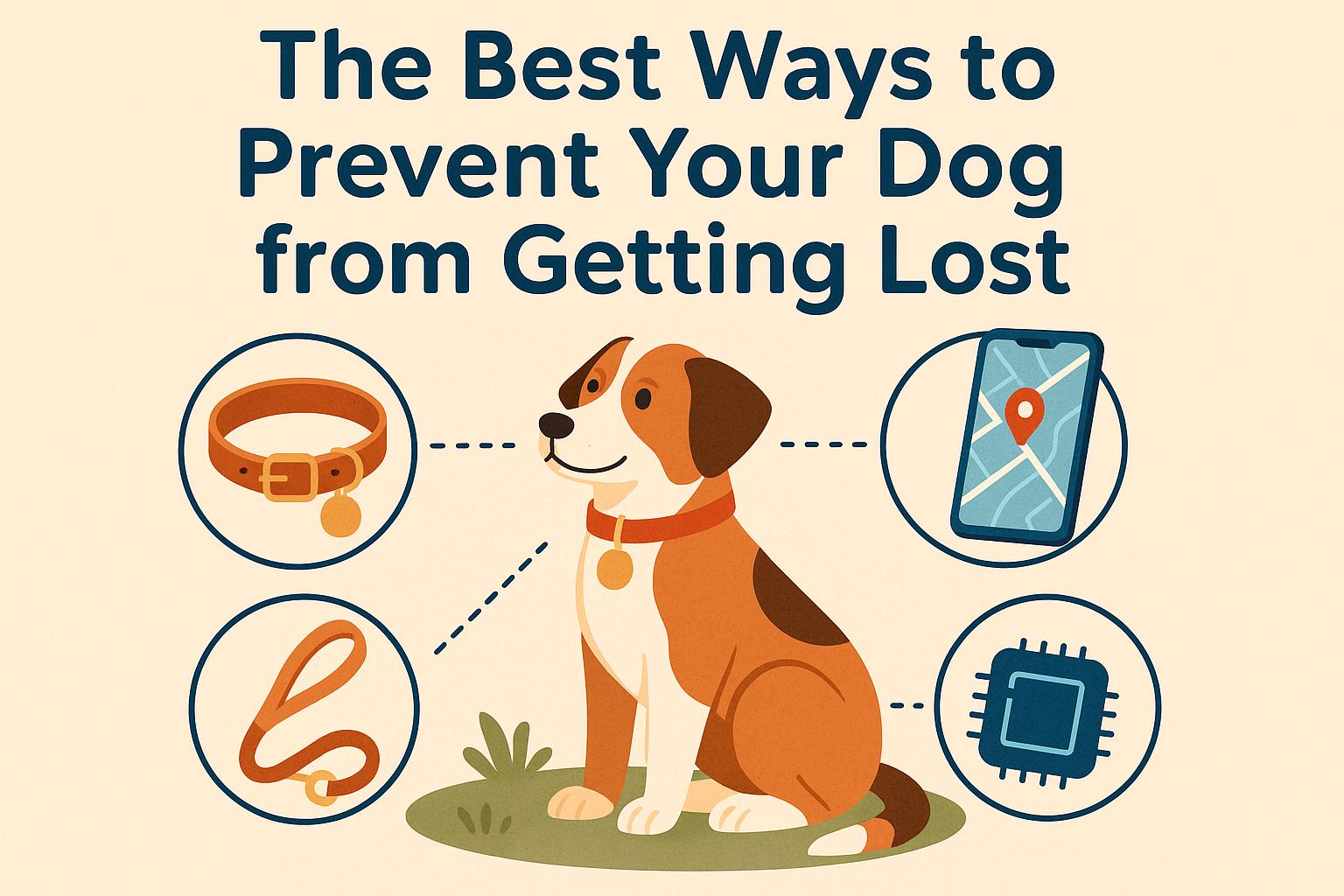
One of the most critical steps in preventing your dog from getting irreparably lost is ensuring they have proper identification. Without this, even the most well-intentioned person who finds your dog will have a difficult time reuniting them with you. Identification is made simple through methods such as microchipping and the use of collars with identification tags. These forms of ID are crucial because they provide immediate access to your dog’s home information, significantly improving the chances of a swift and safe return.
Microchipping your dog is a reliable method of identification. Microchips serve as a permanent identification feature that holds the owner’s contact information within the pet’s body. When a lost dog is found, shelters and vets usually scan for a microchip to quickly access the owner’s contact details, increasing the chances of a reunion. It’s essential to keep your contact information updated in the microchip database since outdated information can render the chip useless. For those who might be unsure about the microchipping process, reputable veterinary sites such as the American Veterinary Medical Association offer comprehensive resources.
Collars with Identification Tags are another expedient method of ensuring your dog can be returned if lost. Always ensure your dog wears a collar with a well-labeled tag displaying your up-to-date contact information. Tags should be checked regularly for wear and replaced if necessary, as weather exposure and activity can degrade the writing over time.
Training is an integral part of preventing your dog from getting lost. Dogs that are well-trained are more likely to listen to commands and remain under control, even in unfamiliar or stimulatory environments. Training ensures your dog understands basic commands such as “come,” “stay,” and “leave it.” By developing these skills, you can exert some measure of control over your pet’s actions, even if they become distracted by another animal or an attractive scent.
Positive reinforcement is a highly effective training method for teaching dogs obedience. When your dog exhibits good behavior or follows a command accurately, reward them with treats or verbal praise. This positive association with correct behavior encourages your dog to continue following commands and instructions, reducing the chances of them straying away, especially in unfamiliar situations. Dogs trained with positive reinforcement feel more secure and may show improved recall when needed, further mitigating the risks of losing your pet.
Your home is your dog’s safe zone, and keeping it secure is essential to prevent your dog from escaping. Dogs are naturally curious and may have a tendency to explore beyond boundaries if left unsupervised. Therefore, it’s necessary to conduct regular inspections around your property to identify potential escape routes and rectify them.
Strong, high gates and fences form the first line of defense in keeping your dog from wandering off. Check frequently for any gaps or signs of wear and tear, and repair them promptly to maintain the barrier’s integrity. If your dog tends to dig under fences, it might be helpful to bury small sections of wire fencing below ground to deter this behavior. Additionally, supervision is a smart practice when your dog is active outside in the yard. For more detailed tips on ways to secure your home environment for pets, consider exploring resources provided by organizations like the American Society for the Prevention of Cruelty to Animals.
Technological advancements offer another layer of security for keeping track of potentially wayward pets. GPS tracking devices that attach to a dog’s collar provide real-time location information and can be a vital tool should your dog manage to wander off. While these devices can enhance traditional identification methods, they are not replacements but supplements, providing an added level of reassurance when coupled with physical identification methods.
When deciding on a GPS tracking device, there are several aspects to consider such as battery life, operational range, and durability to match your dog’s activity level and lifestyle. Some devices may offer additional features such as health monitoring or activity tracking. Reading consumer reviews and technical specifications can help guide you in making an informed choice that suits your needs and provides the peace of mind every pet owner desires.
Routine veterinary visits not only ensure that your pet’s vaccination and health checks are up-to-date but also provide an opportunity to identify any health concerns that may lead to wandering. Conditions such as cognitive decline in older dogs, anxiety disorders, or even hearing and vision impairments can increase a dog’s likelihood of becoming lost. Early detection and management of these health issues can mitigate wandering tendencies and contribute to the overall well-being of your beloved pet.
Implementing these comprehensive strategies can significantly reduce the likelihood of your dog getting lost and can assure you of their safety. The effective prevention of pet loss lies in employing a combination of several factors including rigorous identification processes, consistent training regimens, thorough home security measures, the adoption of technological advancements, and attentive healthcare. Together, these factors provide a solid foundation for safeguarding your pet while respecting their freedom to explore and thrive in a safe environment.