
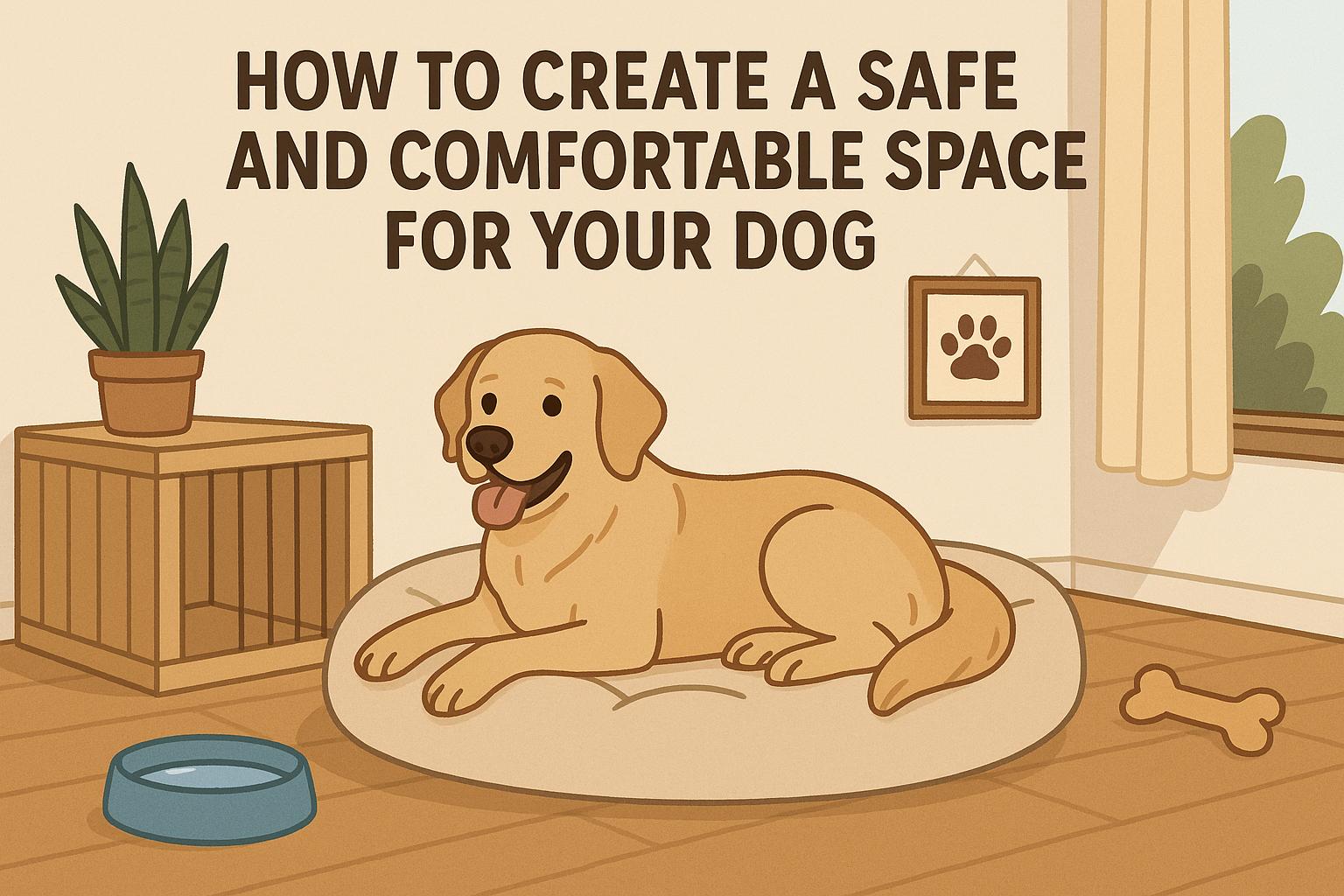
Creating a safe and comfortable space for your dog is essential for their well-being. A well-designed environment not only ensures their safety but also promotes positive behavior and overall health. This guide provides practical steps to achieve a conducive environment for your canine companion.
Every dog breed and individual dog has different needs. Factors such as age, size, and breed characteristics influence their requirements. Younger dogs may need more space to play, while older dogs might prefer a quiet area for rest. Understanding these needs is the first step in creating an appropriate space.
When evaluating your dog’s requirements, consider their breed-specific needs. Different breeds have distinct predispositions and characteristics. For example, a Border Collie’s high energy levels necessitate a large space for exercise, while a Pug might prioritize a well-ventilated environment due to their brachycephalic nature. Breed considerations not only involve physical space but also the mental stimulation required to keep your canine satisfied.
While physical space is critically important, dogs also need opportunities for mental engagement. Dogs of all ages benefit from environments that challenge them and provide stimulation. Incorporating puzzle toys and engaging activities within their environment is key for maintaining mental sharpness and emotional balance.
Dogs’ needs change with age, so it’s crucial to adapt their space as they transition throughout life stages. Puppies require protection from hazards and lots of play opportunities, whereas senior dogs may need softer bedding to care for their aging joints. Adolescents, on the other hand, might require robust boundaries as they test limits.
Safety is a primary concern when designing your dog’s space. Ensure that the area is free from hazards such as exposed electrical cords, toxic plants, and small objects that could be swallowed. Use baby gates or pet barriers to restrict access to dangerous areas. Additionally, ensure the space is free from areas where your dog could get stuck or injured.
Similar vigilance is required within all areas of your home. Be aware of household items such as chemicals or sharp objects that should be securely stored away. Consider childproof locks on cabinets within your pet’s reach and check the space regularly for potential new hazards.
If your dog has access to outdoor areas, it is necessary to ensure the environment is safely enclosed. Fences should be high enough to prevent your dog from jumping over, and escapes underneath should be blocked. Additionally, be on the lookout for harmful plants or debris that could pose a threat to your pet.
Comfort is essential for your dog’s happiness. Provide a bed or dedicated sleeping area with suitable bedding that supports their joints and provides warmth. Consider the placement of this area to minimize disturbances from noise or foot traffic. Access to natural light is beneficial, but ensure there is also a shaded area to prevent overheating.
Selecting appropriate bedding greatly influences your dog’s comfort. For dogs that may suffer from joint issues, memory foam can provide the necessary support, while heated bedding options are available for cold-sensitive breeds. It’s also helpful to have more than one bed throughout your home, offering your dog alternative resting locations.
Placement of your dog’s resting area should be carefully thought out to minimize stress. Avoid locations with heavy foot traffic or loud disturbances. For moveable resting areas, such as crates or mats, evaluate different spots to assess which your pet prefers.
Dogs need mental and physical stimulation to stay healthy. Incorporate elements that offer environmental enrichment, such as chew toys, puzzle feeders, and interactive toys. These items help alleviate boredom and prevent destructive behavior. Regularly rotate toys to maintain your dog’s interest.
Interactive toys also serve as excellent behavioral training tools. For example, puzzle feeders slow down quick eaters while requiring them to figure out methods to access their food, improving both physical health and mental agility.
Beyond mere toys, environmental enrichment includes regular human interaction. Engage frequently with your dog in various activities such as obedience training, agility exercises, or structured play. This not only mentally stimulates your dog but also strengthens the bond between pet and owner.
Maintaining a suitable temperature is critical for your dog’s comfort. Ensure proper ventilation in your dog’s space to avoid humidity buildup and overheating. During colder months, provide additional blankets or a heat source if necessary. Conversely, arrange for cool, shaded areas during summer.
Adjusting your dog’s environment according to seasonal changes is crucial. In warmer months, ventilation can be achieved with fans or air conditioning vent access. Conversely, heated pads or blankets may be needed during winter. Always ensure your pet has access to both shaded and sunlit areas for personal comfort management.
A thermometer or hygrometer for assessing temperature and humidity can assist in maintaining a climate-controlled environment for your pet. Keep track of changes and make the necessary adjustments to ensure a consistently comfortable atmosphere.
Regular cleaning is vital to prevent the buildup of dirt and allergens. Choose materials that are easy to clean, such as washable bedding and non-porous flooring. Routinely check the space for pests or mold and take appropriate measures to address any issues promptly.
A regular cleaning schedule ensures that your dog’s environment remains healthy. This involves washing bedding, cleaning toys, and vacuuming hair or dander. Additionally, consider regular deep cleaning of your pet’s space to eliminate any potential germs or allergens lurking beneath the surface.
Do not overlook cleaning less obvious items such as feeding bowls, water dishes, and chew toys. These can accumulate bacteria if not sanitized regularly. Consider using dishwasher-safe feeding equipment to simplify this process.
Consistency and routine are vital for a dog’s sense of security. Establish a regular schedule for feeding, walking, and playtime. Designate specific areas for each activity, such as feeding stations and play zones, to reinforce the routine and prevent confusion.
A structured routine can assist in preventing behavioral issues by providing clear expectations and boundaries for your dog. This consistency reduces anxiety, offering them stability in their daily life.
While a routine is important, it’s beneficial to introduce gradual variations within this structure, ensuring flexibility should unexpected changes in the schedule occur. This acclimates dogs to cope with occasional disruptions, enhancing their adaptability.
Introduce your dog to their space gradually. Allow them to explore and become familiar with the area under supervision. Utilize positive reinforcement techniques to train them to use their space appropriately, rewarding desired behavior with treats or praise.
Positive reinforcement helps solidify appropriate behaviors by rewarding your dog’s use of their designated space. Reward consistent occupations like returning to their bed or calmly awaiting feeding with treats or verbal praise.
When introducing new elements or rearranging their environment, allow your dog time to adjust. Supervise initial interactions and continue rewarding positive engagement with novel aspects to ease adaptation.
By understanding and addressing your dog’s needs, safety concerns, and comfort requirements, you can create a space that not only enhances their well-being but also strengthens the bond between you and your pet. For more detailed tips and canine care advice, consult reputable sources such as your local animal shelter or a certified animal behaviorist.