
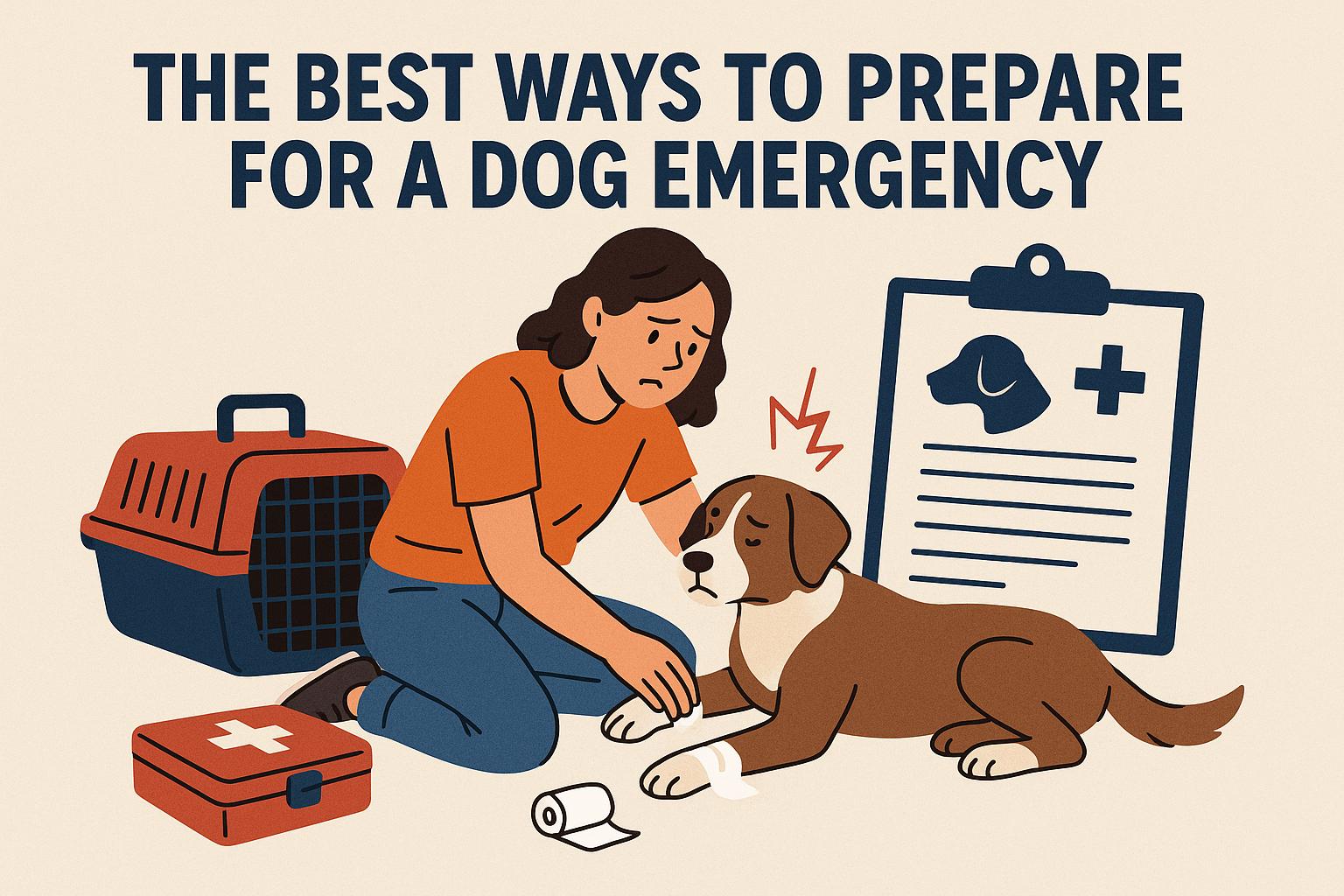
Emergency situations involving dogs can arise unexpectedly, and being prepared can make a significant difference in the outcome. Recognizing what constitutes an emergency is the first step in ensuring your pet’s well-being. Common emergencies include ingestion of toxic substances, injuries, choking, or severe allergic reactions. Immediate recognition of these symptoms and swift action can prevent further complications.
Dogs, like humans, are susceptible to sudden health problems or accidents. As a responsible pet owner, it is crucial to remain observant and understand the typical signs of distress or emergency in pets. Your prompt response can be pivotal in safeguarding your dog’s health.
Awareness of what qualifies as an emergency is essential. Some shared emergencies you may encounter include:
Ingestion of Toxic Substances: Dogs are naturally curious creatures and tend to explore their environment with their mouths. This behavior sometimes leads them to ingest harmful substances like household cleaning agents, human medications, or poisonous plants. Symptoms of poisoning can include vomiting, seizures, or difficulty breathing.
Injuries: Dogs can sustain injuries from various incidents, such as car accidents, falls, or fights with other animals. Signs of significant injuries include lameness, swelling, or noticeable pain.
Choking: Sometimes, dogs can choke on small objects or food items that become lodged in their throats. Signs include coughing, gagging, or wheezing. Swift action is necessary to alleviate the obstruction.
Severe Allergic Reactions: Dogs can experience allergic reactions from insect bites, certain foods, or environmental allergens. Symptoms may manifest as swelling, hives, or difficulty breathing.
Having a well-equipped first aid kit tailored for dogs can be instrumental in addressing minor injuries or stabilizing your pet while waiting for professional assistance. A basic kit should contain:
– Gauze and bandages: Essential for covering wounds and controlling bleeding, ensuring that injuries are protected from further contamination or irritation.
– Antiseptic wipes: These are handy for cleaning minor cuts and abrasions, reducing the risk of infection and promoting quicker healing.
– Tweezers: Use tweezers to remove ticks or small foreign objects like splinters, that might embed themselves in your dog’s skin.
– Thermometer: Monitoring your dog’s temperature can help you detect fever or hypothermia. Aim to use a pet-specific thermometer to attain accurate readings between 101 to 102.5 degrees Fahrenheit, which is the normal range.
For a more detailed list of items to keep in your pet’s first aid kit, refer to the ASPCA’s recommendations.
In situations where your dog is unresponsive or not breathing, administering CPR can be life-saving. Though professional training is ideal, having a fundamental understanding of the steps involved is beneficial.
Chest Compressions: For small dogs under 30 pounds, place one hand or several fingers (depending on the size of the dog) around the chest area to perform compressions. For larger dogs, use both hands, similar to human CPR, with hands placed over the widest part of the ribcage. Ensure that compressions are consistent and with sufficient force to assist in circulation.
Rescue Breathing: Open your dog’s airway by extending its neck forward gently. Form a seal with your mouth over the dog’s muzzle and blow into its nostrils every 30 compressions, watching for the chest to rise as a sign of airflow.
For comprehensive guidance and practical training, consider exploring resources offered by the American Red Cross or other specialized pet first aid organizations.
Ensuring that you can quickly contact a veterinarian in case of an emergency is crucial. Keep your primary veterinarian’s number saved and easily accessible at home and on your phone. Additionally, research the location and contact information for the nearest emergency veterinary clinic. This preparation ensures that you can obtain the necessary professional care promptly should an emergency arise that cannot be managed at home.
Preventing emergencies before they occur is a proactive approach to your dog’s health and safety. This involves regular veterinary check-ups to catch potential health issues early. Additionally, maintaining a safe home and exploring environment is vital. Identify and mitigate potential hazards such as toxic plants or loose electrical cords.
Training your dog to obey basic commands such as “sit,” “stay,” or “leave it” can prevent many emergencies outdoors or in unfamiliar settings. A well-trained dog is less likely to chase after cars, consume unknown items, or get into fights with other animals.
Being prepared for a dog emergency requires a blend of knowledge, the right resources, and a readiness to act. Regularly updating your pet’s first aid kit and refreshing your understanding of first aid techniques are crucial steps. Having vital vet contacts at hand reinforces your commitment to your dog’s safety and well-being at all times.
Acknowledging potential emergencies and being prepared are important aspects of responsible dog ownership. This includes knowledge of how to identify emergencies, how to administer basic first aid, and maintaining communication with professional veterinary services. Each component plays a critical role in ensuring the safety and health of your beloved pet. Through careful observation, preparedness, and swift action, you can significantly improve your dog’s chances of recovery and reduce the risks associated with unexpected emergencies.