
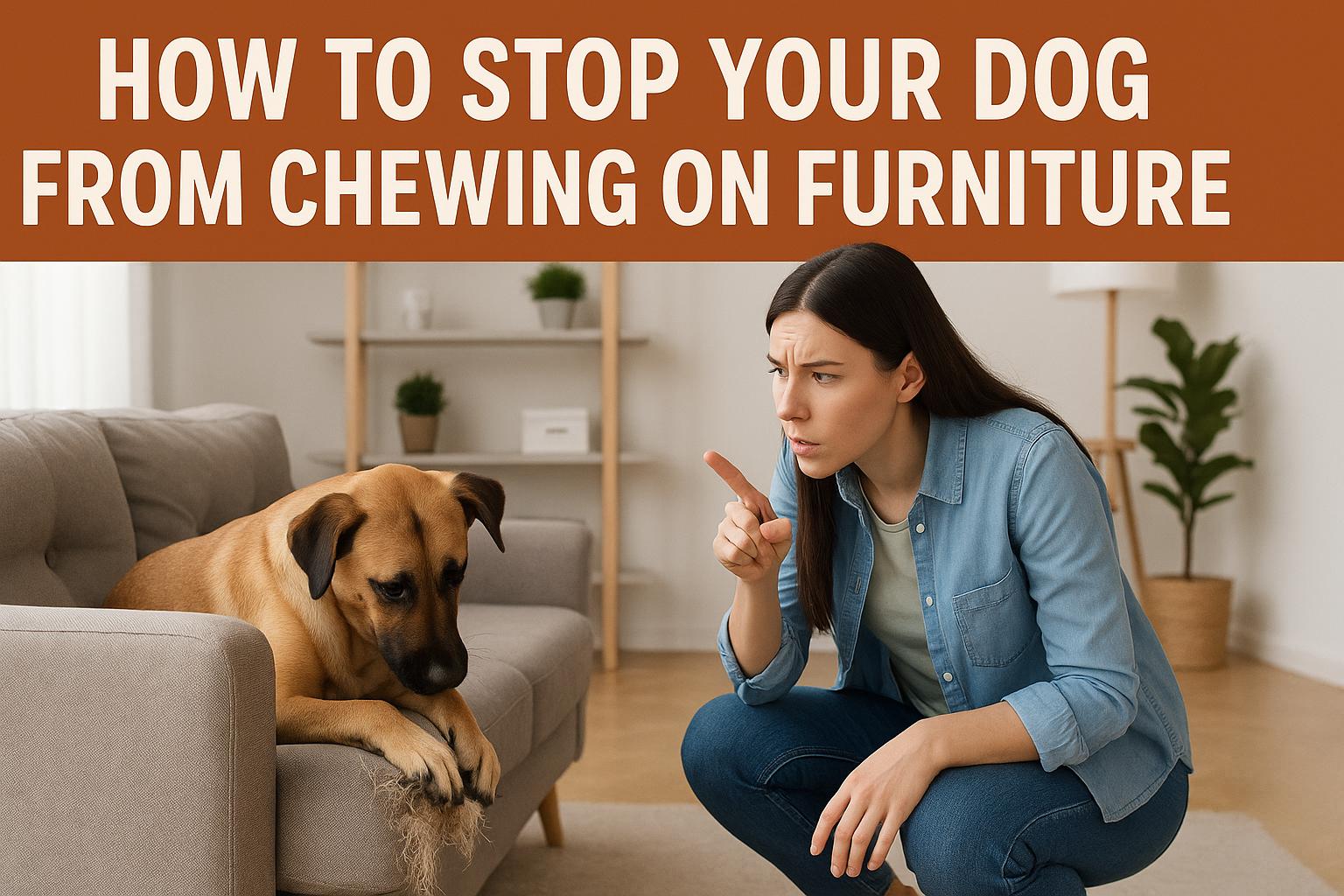
Chewing is a natural instinct for dogs. While it’s a crucial behavior that allows them to explore their immediate surroundings and offers a mechanism to relieve various discomforts such as boredom, anxiety, or teething pain, it can sometimes become problematic when this behavior raises concerns in terms of property damage, especially when dogs start gnawing on household furniture. A clear understanding of the reasons behind this behavior is necessary for appropriate corrective strategies.
Chewing serves multiple purposes for dogs, and there are distinct reasons why they might target furniture. These reasons can range from simple boredom and lack of physical activity to more complex emotional issues such as anxiety and stress. Equally, puppies might chew as a way to navigate their teething phase, alleviating gum discomfort. Lastly, some dogs chew on furniture purely out of curiosity or as an attention-seeking tactic. Identifying the specific trigger behind the chewing behavior in your dog is crucial for effectively managing and redirecting this behavior towards acceptable outlets.
Dogs, especially those who are energetic and active by nature, require both physical and mental engagement. Without proper outlets for these, they may seek alternative forms of amusement, including chewing on furniture. This behavior can become an outlet for pent-up energy and a fix for unaddressed boredom. Regular exercise is crucial for maintaining their overall well-being and curbing undesirable behaviors.
Puppies, much like human babies, pass through a teething stage where their new teeth cause discomfort as they push through the gums. This discomfort can often be alleviated by chewing on objects, which provides them with a soothing sensation. While puppies primarily affect young dogs, it is an inevitable phase that requires suitable attention to prevent long-term destructive habits.
Dogs suffering from anxiety or stress might engage in chewing as a self-soothing mechanism. Common causes of such emotional distress include separation anxiety when left alone or environmental changes that might unsettle your pet. Recognizing anxiety-induced chewing is vital in addressing and modifying this behavior effectively.
Adopting a comprehensive approach can significantly mitigate and potentially halt your dog’s unwarranted chewing of furniture.
Ensuring your dog achieves sufficient exercise is crucial. Regular physical engagements, such as walks and play sessions, combined with interactive toys, cater to your dog’s need for both physical and mental stimulation. By satisfying these needs, you reduce a critical urge for dogs to resort to furniture chewing.
Training, primarily through positive reinforcement, can significantly impact curbing furniture-chewing behavior. Rewarding dogs when they engage with appropriate chew items, like toys, sets a pattern of behavior that can positively influence their choices. Consistency is an essential aspect of this approach. Utilizing deterrents, such as bitter-tasting sprays, can aid in discouraging the appeal of chewing furniture.
Offering alternative items that are safe and durable for chewing can direct your dog’s natural instinct towards acceptable objects. Chew toys and chew bones offer valid replacements. Ensuring these alternatives are enticing remains essential, which can be achieved by frequently rotating toys to maintain your dog’s interest.
Environments can be managed effectively to prevent unsupervised access to furniture. Utilizing barriers, such as baby gates or closing off rooms, restricts your dog’s access to areas where they might engage in unwarranted chewing when unmonitored. Placing furniture out of reach or using covers when not home can substantially reduce the risk of furniture damage.
If a dog’s chewing is rooted in anxiety, one approach can be to leave an item that carries your scent, such as a piece of clothing, with your pet when you leave them alone. This can provide comfort in your absence. Engaging in training and socializing activities can subsequently build confidence in dogs that suffer from anxiety. Should these measures prove insufficient, the involvement of a veterinarian or a professional trainer to develop strategies specific to your dog’s needs can prove beneficial.
When personal interventions do not yield the desired results in managing chewing behaviors, professional insights can be immensely valuable. Seeking advice and assistance from a professional dog trainer or veterinarian can introduce tailored strategies that address the unique needs of your dog.
For pet owners seeking more comprehensive guidance on managing dog behavior and enhancing their pet’s well-being, consulting resources from authoritative organizations such as the ASPCA, or reaching out to a local canine behavior expert, is highly recommended. These resources provide detailed insights into dog care and training techniques that can assist in shaping a positive environment for both you and your pet.
By understanding underlying motivations for chewing and implementing holistic solutions, you can foster a balanced environment that curtails destructive behaviors while ensuring your dog’s needs are met effectively.