
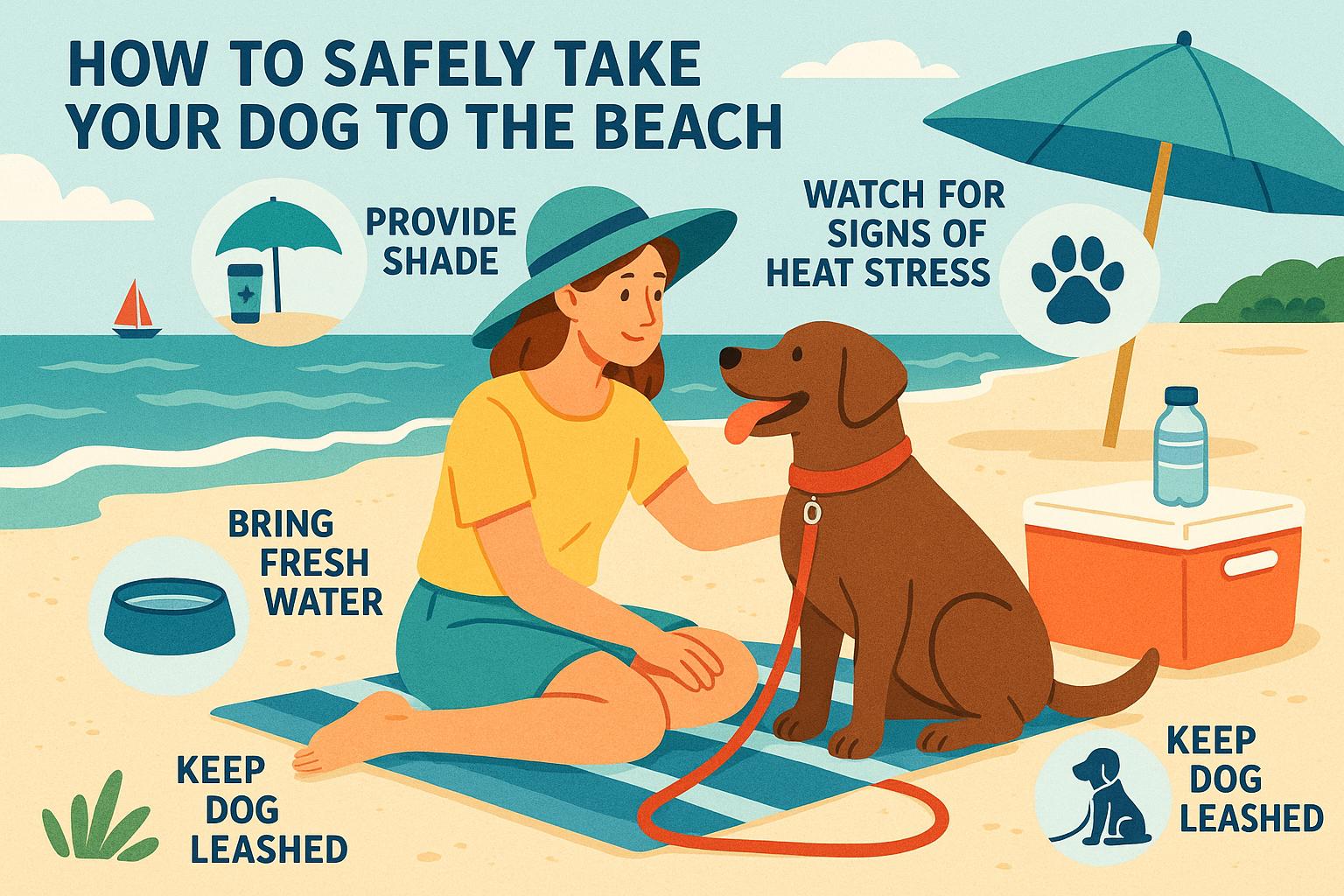
Before you set out for a delightful day at the beach with your canine companion, there’s a vital need to thoroughly understand the beach environment you are visiting. Not all beaches have uniform rules regarding pet access, and some may not allow dogs at all. Therefore, the first step is to verify whether the beach you have in mind is dog-friendly by checking local regulations or resources that list dog-friendly beaches. This proactive approach will not only help you stay on the right side of the law but also ensure your dog has a safe and enjoyable experience.
Weather plays a critical role in planning your beach trip. It’s important to monitor the weather forecast closely, paying special attention to the temperature and the UV index. The heat of the sun can cause the sand to become exceedingly hot, which poses a risk of paw burns for your pup. High temperatures can also lead to dehydration, a condition that can quickly escalate if not managed promptly. Bringing shade or setting up a beach umbrella is advisable, but another tactic is to plan your visit for the cooler early morning or late afternoon hours when the sun’s intensity is at its lowest.
Tidal patterns are another crucial element to consider before heading to the beach. High tides can dramatically reduce the amount of available beach space, which could limit your dog’s capacity to run and play. Conversely, low tides might reveal hidden dangers such as sharp rocks or expose marine life that might not be safe for your dog to interact with. Tide charts are invaluable tools here, providing insights into the best times and conditions for a visit.
Beyond the beauty and fun, the beach can present several challenges, one of which is the availability of fresh drinking water. Bringing ample fresh water and a portable water bowl is a simple yet crucial step. Never allow your dog to drink salt water, as this can cause gastrointestinal distress and more severe health complications. Facilitate regular hydration breaks to keep your dog well hydrated and comfortable throughout the day.
Dogs, particularly those with thin coats or lighter skin, are susceptible to sunburn just like humans. It’s important to apply dog-safe sunscreen on exposed areas of your dog’s skin, such as the nose and ears, which are particularly vulnerable to the sun’s rays. Sunscreen specifically designed for dogs is widely available and should be applied liberally and reapplied as necessary, especially if your dog takes a dip in the water.
Being at the beach will be an exciting adventure for your dog, but it’s vital to keep a close eye on their behavior for signs of stress or overheating. Symptoms to watch for include excessive panting, drooling, and lethargy. Should you notice any of these warning signs, it’s essential to relocate your dog to a shaded area immediately and offer them fresh water to help them cool down.
Many beaches may permit off-leash activities for dogs, but maintaining control and ensuring the safety of everyone present is paramount. To achieve this, practicing reliable recall commands with your dog is essential. Effective recall not only ensures your dog’s safety but also helps maintain a harmonious relationship with fellow beachgoers, both human and canine.
Beaches can be important habitats for a wide variety of wildlife, some of which may be threatened or endangered. During your visit, make it a priority to prevent your dog from disturbing local fauna or digging into nests. This level of respect helps protect the ecosystem while preventing potential conflicts or injuries to your pet.
Bringing along toys that float can add an extra layer of fun to the day. These toys are perfect for water play and engaging your dog in fetching activities. However, you must remain cautious of strong currents and ensure constant supervision to facilitate safe retrieval and prevent accidents.
Equipping yourself with a basic first aid kit tailored for dogs is always a prudent measure when heading into nature. Items such as bandages, antiseptic wipes, and tweezers for removing any pesky sand or debris are essential tools. Knowledge of handling minor injuries can make a significant difference in your dog’s beach enjoyment and safety.
Upon concluding your beach outing, it’s beneficial to have a comprehensive post-beach routine. Rinsing your dog thoroughly is crucial to remove salt, sand, and any other potential irritants that they might have picked up on the beach. Special attention should be given to cleaning their ears, as this can help prevent infections. Lastly, ensure your dog has ample time to rest and rehydrate with fresh water, setting the stage for a relaxing conclusion to their exciting beach day.