
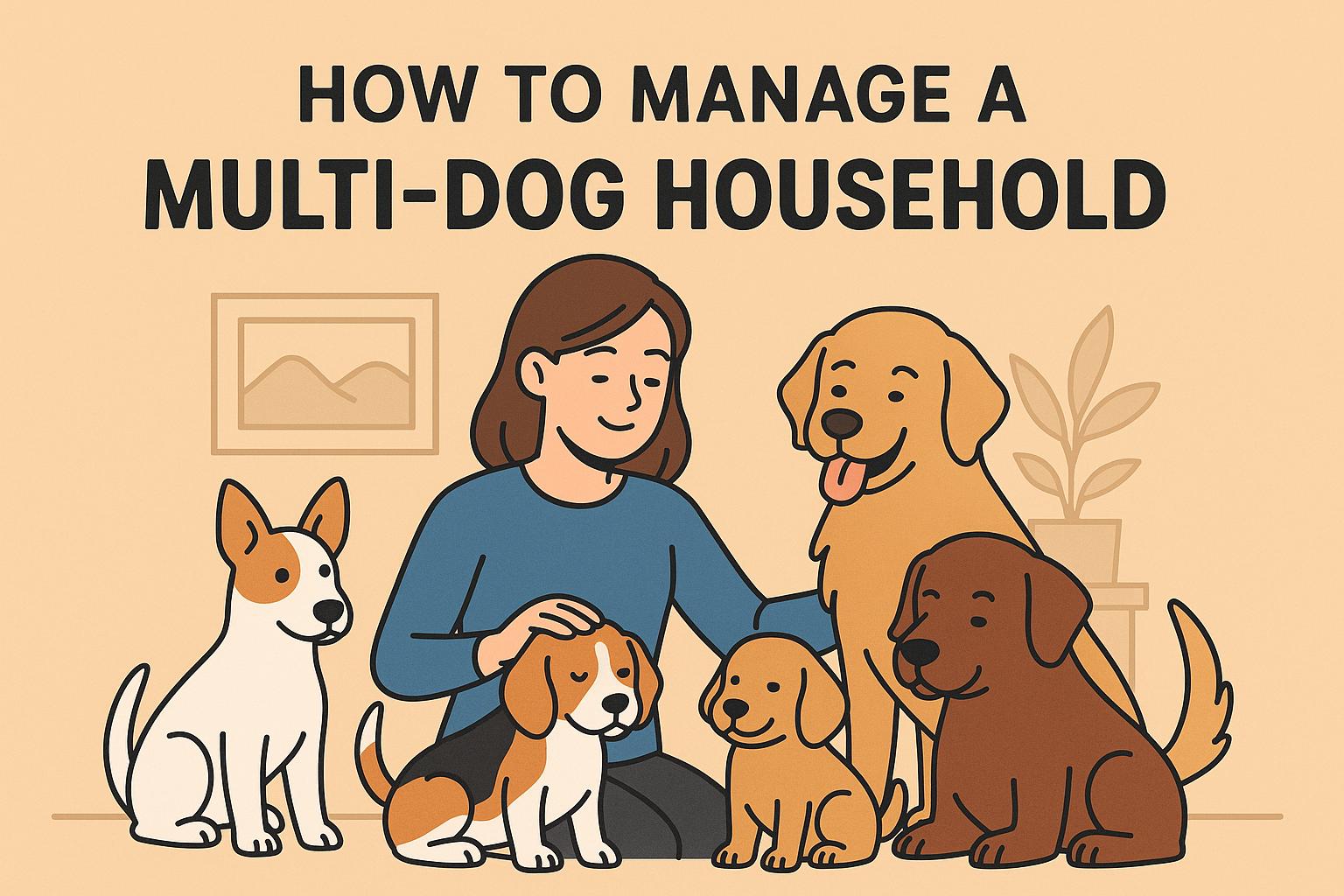
Managing a multi-dog household is a task that demands a keen awareness of the pack dynamics inherent in such a setting. Dogs, as pack animals, naturally establish a social hierarchy. Understanding this hierarchy is crucial for maintaining a peaceful living environment. The structure helps in creating an order which prevents conflicts and promotes cooperation among the dogs.
Every dog is unique, with distinct personality traits that affect how they interact within the household pack. Some may naturally take on leadership roles, while others may exhibit more submissive behavior. By observing these behavior patterns, pet owners can determine the leader, identify the followers, and anticipate any potential challenges. Tailoring management strategies to suit these individual personalities is essential in fostering an atmosphere of harmony among the dogs.
In any multi-dog household, incorporating a regular daily routine is of utmost importance. Dogs are creatures of habit and thrive within environments where they know what to expect. Establishing a consistent schedule for activities such as feeding, walks, and play sessions can significantly contribute to a dog’s sense of security and well-being. This predictability not only reduces anxiety but can also help in preventing various behavioral issues that might arise due to uncertainty.
To mitigate competition for resources, particularly food, implementing a structured feeding protocol is imperative. This involves assigning each dog a specific feeding area, using their own bowls, and supervising meals. By doing so, issues related to resource guarding can be preemptively addressed. It’s essential that owners remain vigilant during feeding times to ensure peaceful interactions and to intervene promptly in case of any disputes.
For a harmonious multi-dog environment, proper training and socialization are invaluable. Enrolling each dog in basic obedience training helps establish a clear line of communication between humans and dogs, thus enhancing management capabilities. Moreover, it underpins the ability to effectively address and modify any undesirable behaviors.
Aside from individual training, conducting group training sessions is also beneficial. Such sessions reinforce the established pack hierarchy and ensure that all dogs view the owner as the primary leader. Consistency remains a cornerstone of effective training, reinforcing lessons learned and ensuring that commands are followed regardless of distractions or competing interests.
It is essential to be proactive when tackling behavioral issues as they surface. In a multi-dog household, unresolved problems have the potential to escalate rapidly. Those issues, if ignored, could affect the entire group dynamic, complicating efforts to maintain harmony. When challenges persist, it might be necessary to consult a professional trainer or a behaviorist, who can provide tailored advice and strategies for correction.
Even though dogs live in a group setting, individual attention remains a requirement for each dog. Spending dedicated one-on-one time with each pet daily is crucial. It strengthens the bond between the owner and each dog, enhancing mutual understanding and trust. Dedicating individual time can also help mitigate feelings of jealousy that might arise among the dogs, ensuring each feels valued and loved.
To accommodate the natural need for personal space, ensuring that each dog has its own designated retreat area is beneficial. Whether it’s a room, a crate, or a particular bed, these spaces should be where a dog can relax undisturbed by others. Having a private space promotes mental well-being and offers a haven that dogs can retreat to whenever they need solace or wish to enjoy some quiet time away from the group.
Maintaining the health of each dog is of paramount importance in a multi-dog household. Adhering to regular veterinary check-ups and preventive health measures, such as vaccinations and flea treatments, is crucial for the well-being of all dogs in the pack.
To promptly address health issues, it is vital to monitor each dog’s well-being actively. Changes in appetite, energy levels, or behavior can be tell-tale signs of health problems that necessitate veterinary attention. Prompt action not only ensures the immediate care of the affected dog but also helps in preventing the potential spread of diseases that could impact the other members of the dog pack.
Learn more about maintaining dog health here.
Effectively managing a multi-dog household is a process that demands patience, understanding, and a proactive approach. By acknowledging the various pack dynamics, establishing regular routines, practicing appropriate training methods, and prioritizing health care, pet owners can create a balanced and harmonious living environment. Such an environment is one where all dogs thrive, enjoying their time together while coexisting peacefully under the guidance and care of their attentive owners.