
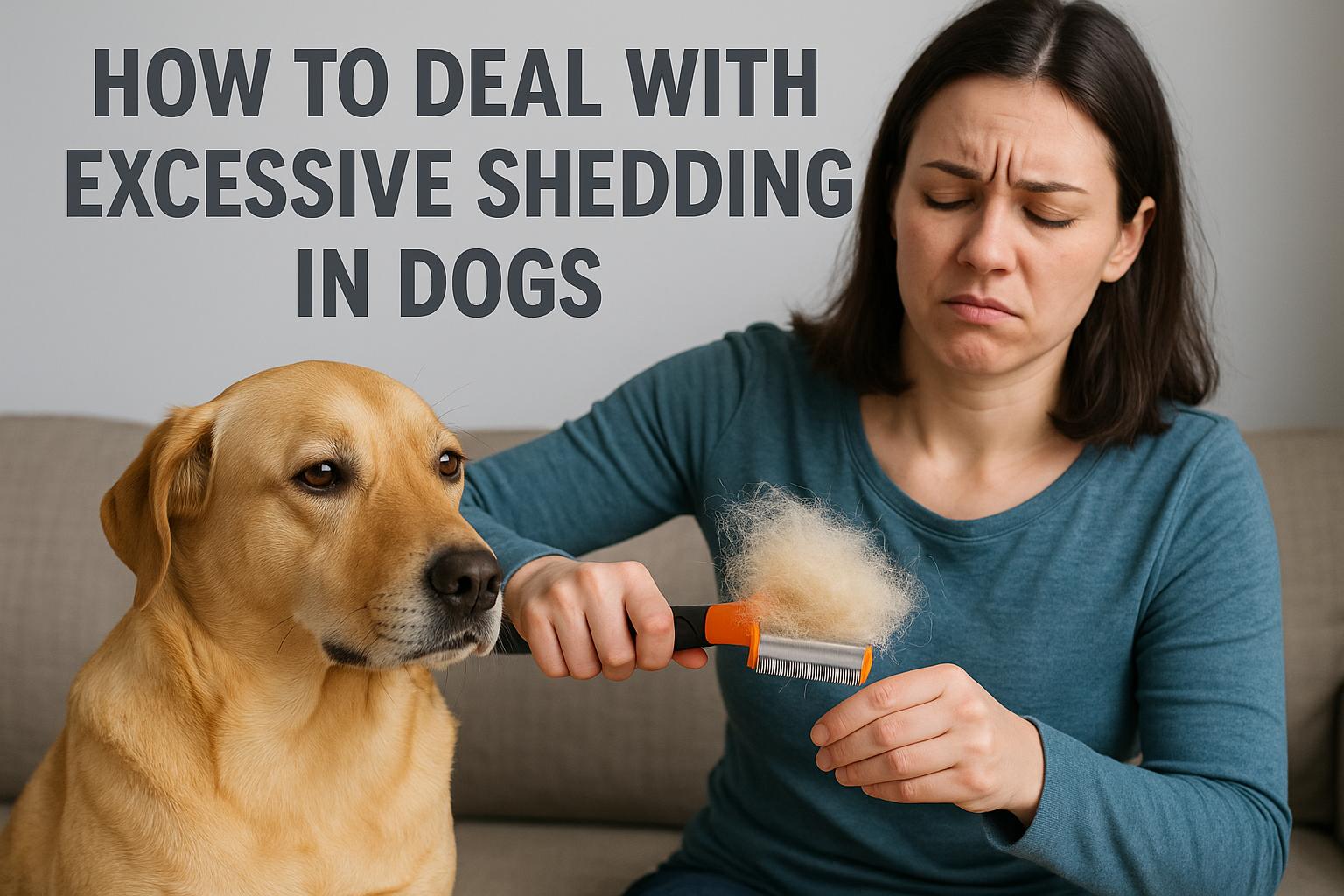
Shedding is a natural occurrence for most dogs, which involves the losing of old or damaged hair to be replaced by new growth. While this process is considered normal, especially for certain breeds and during specific seasons, excessive shedding can be a cause for concern. This excessive hair loss might signal underlying health problems or external environmental factors that need to be addressed. By understanding the causes and taking the appropriate actions, pet owners can manage their dog’s shedding effectively.
Several factors play a critical role in shedding levels in dogs. While some dogs shed moderately throughout the year, others might experience shedding spikes during seasonal changes. Recognizing when shedding goes beyond normal limits is crucial for a dog’s health and well-being. Factors contributing to excessive shedding include:
Breed Characteristics: The type and breed of a dog are significant indicators of how much it might shed. Breeds with thick double coats, such as German Shepherds, Labradors, and Golden Retrievers, naturally shed more than others. This shedding intensifies during the shedding seasons — typically spring and fall — when dogs blow their coats to adjust to changing temperatures.
Health Issues: An array of health issues can exacerbate shedding in dogs. Allergies, whether caused by food, pollen, or other environmental triggers, can lead to itchy skin and result in increased shedding. Similarly, infections and other skin conditions, including mange or eczema, may result in fur loss. Additionally, external parasites such as fleas, mites, or ticks can irritate the skin, prompting excessive scratching and shedding.
Nutritional Deficiencies: A dog’s diet significantly impacts its skin and coat health. Deficiencies in essential nutrients like omega fatty acids, proteins, vitamins, and minerals can result in dry, brittle hair that sheds more than usual. A complete and balanced nutritional intake is vital for maintaining a robust and healthy coat.
Environmental Factors: External factors, including seasonal changes, temperature fluctuations, or stress, significantly influence shedding patterns. Dogs may respond to changes in their environment, such as moving to a new home or the introduction of a new family member, by shedding more than usual.
Once the causes of excessive shedding are identified, several strategies can be employed to manage it effectively. Implementing the following practices can help maintain a cleaner home and ensure your dog stays healthy:
Regular Grooming: Grooming plays a critical role in managing shedding. Regular, thorough brushing helps remove loose fur and prevents matting, thereby reducing the hair left around the house. The frequency and type of grooming tools used depend on your dog’s breed and coat type. While short-haired breeds might require simple grooming tools, long-haired dogs might benefit from de-shedding brushes or combs specifically designed for their needs.
Dietary Improvements: Enhancing your dog’s diet with a balanced intake of essential nutrients can profoundly affect coat health. Omega-3 fatty acids, commonly found in fish oil, promote a shiny and healthy coat, while vitamins and minerals strengthen hair follicles, reducing shedding. Consultation with a veterinarian or a pet nutritionist is advisable to tailor a diet plan suited to your dog’s individual needs.
Addressing Health Issues: Timely veterinary check-ups can facilitate the early detection and treatment of underlying health issues that may contribute to excessive shedding. Prompt attention to skin conditions, allergies, or parasites is critical for maintaining optimal health and reducing shedding. The treatment might include medicated shampoos, dietary supplements, or parasite prevention medications.
Environmental Adjustments: Creating a stress-free and comfortable environment is crucial for your dog’s overall well-being. Consistency in daily routines and making minor environmental adjustments, like maintaining a stable temperature in the house, can aid in reducing stress-induced shedding.
While most shedding can be managed through home care, there are situations where a professional assessment becomes crucial. If you observe bald spots, open sores, excessive itching, or noticeable changes in your dog’s behavior or appetite, a visit to the veterinarian is necessary. These symptoms could be indicative of severe underlying health problems that need medical intervention beyond standard home care practices.
For further guidance on managing your dog’s shedding or other pet-related issues, consider exploring pet care websites or seeking advice from professional groomers. Resources like the ASPCA or the American Veterinary Medical Association provide comprehensive information on maintaining your pet’s health and overall well-being.
Effectively managing your dog’s shedding requires a proactive understanding of its causes and strategic implementation of care practices. By maintaining an appropriate grooming routine, ensuring a balanced and nutritious diet, addressing any health concerns promptly, and consulting professionals when necessary, you can help your dog maintain a healthy, shinier coat and reduce excessive shedding. These efforts not only keep your home cleaner but also contribute to your pet’s overall health and happiness.